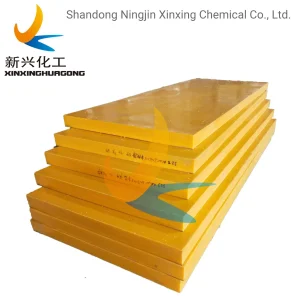
HDPE Sheet PE Sheet High Density Polyethylene Sheet Plastic Sheet,Polyethylene HDPE ,Polyethylene HDPE Sheets,Pricsheets,Prices for HDPE Sheets,HDPE Liner Sheet

Still deciding? Get samples of $ !
Request Sample

Product Description

Basic Specifications

Model NO.
EG-Nylon Part
Water Absorption
0
Contraction Percentage
<0.4%
Tensile Strength
27
Dimensions
Wide 1000mm ~ 1500mm
Thickness
1mm ~ 130mm
Transport Package
Customized
Specification
RoHS
Origin
China
HS Code
3920999090
Production Capacity
500ton/Month

About High Density Polyethylene (HDPE)

Trade names High Density Polyethylene, HDPE
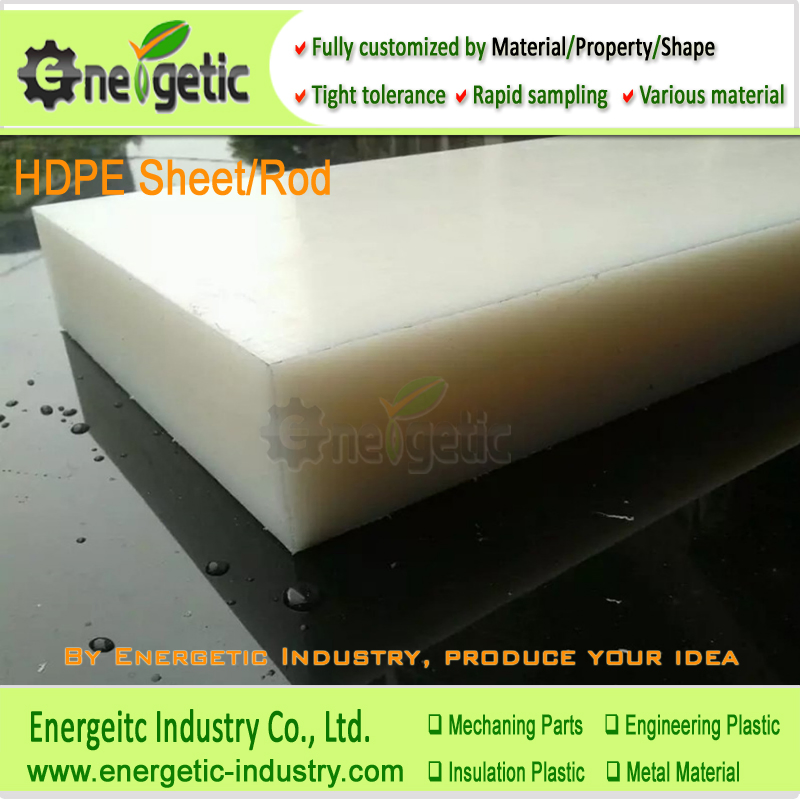
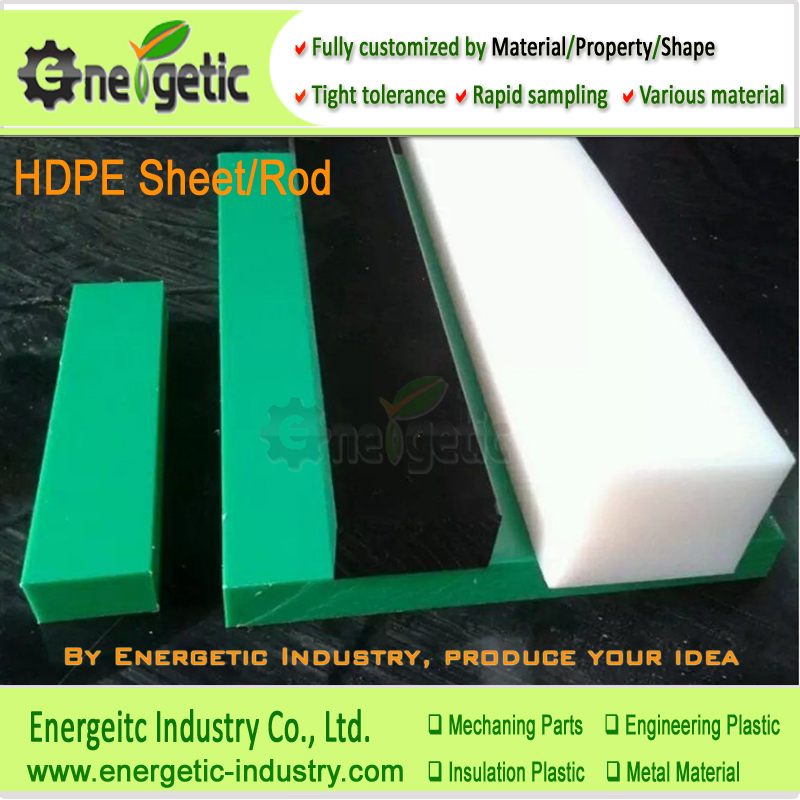
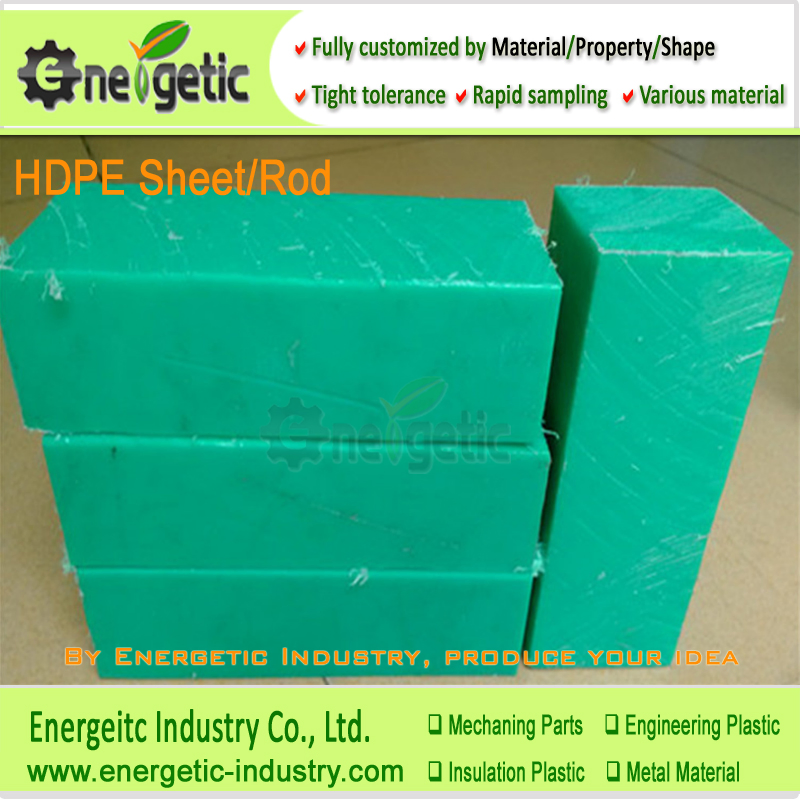
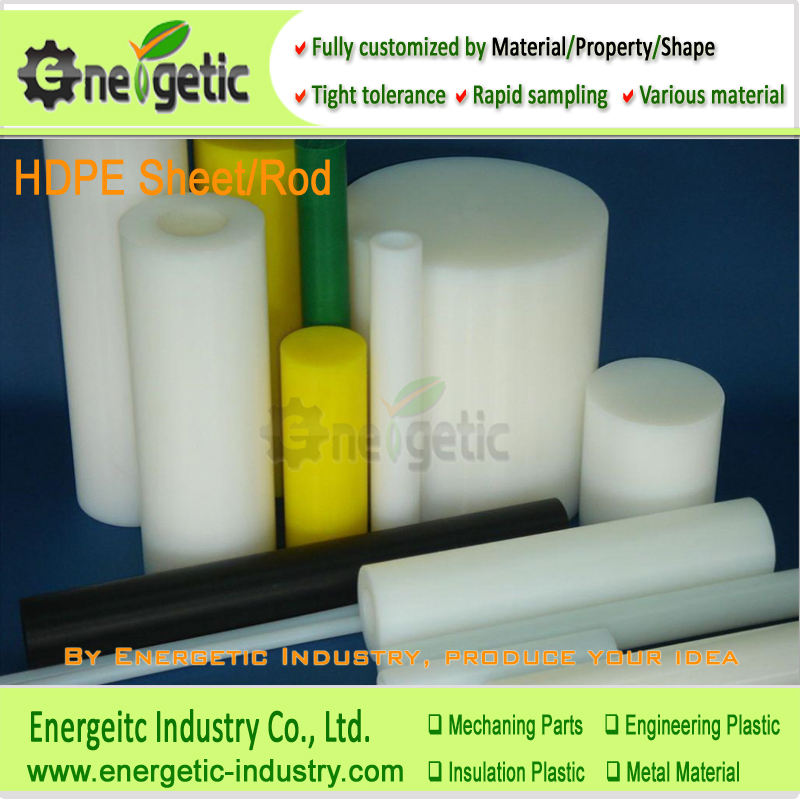
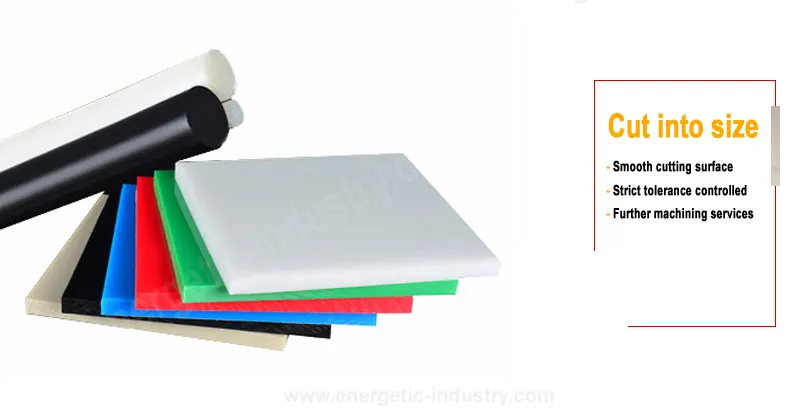
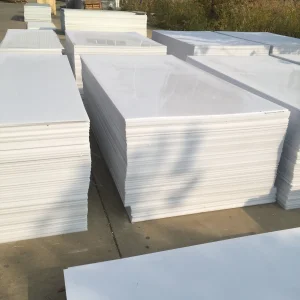
Available Shapes Sheets, Rods
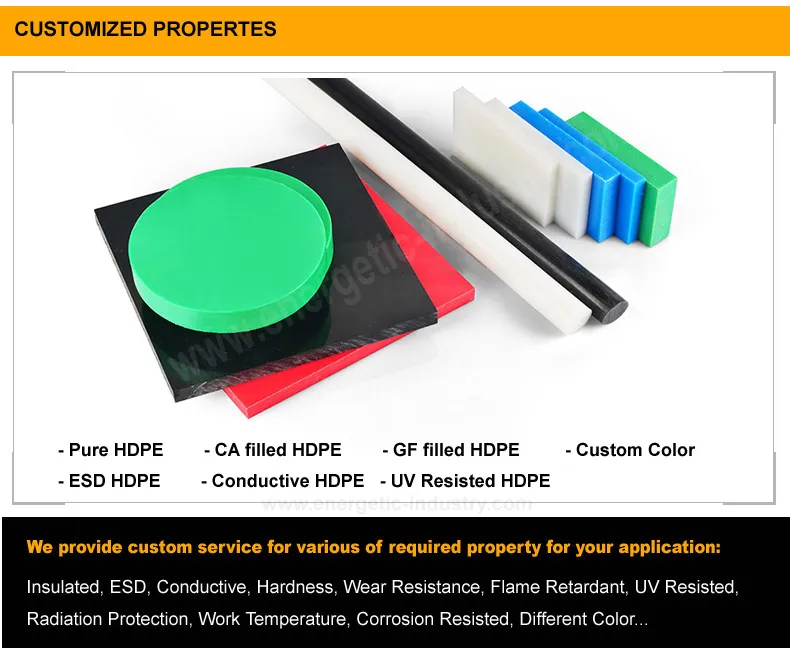
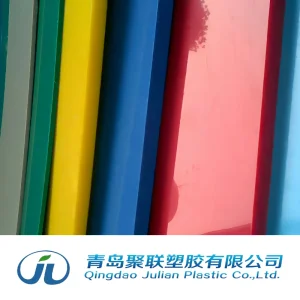
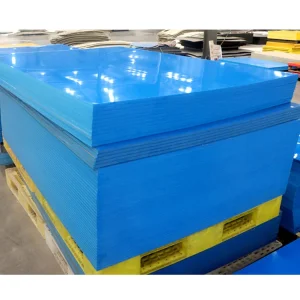
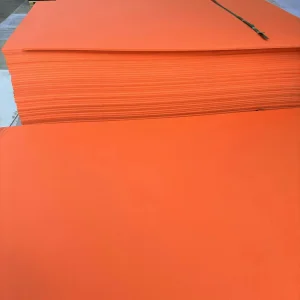
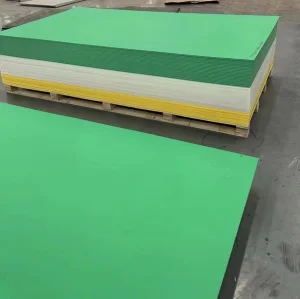
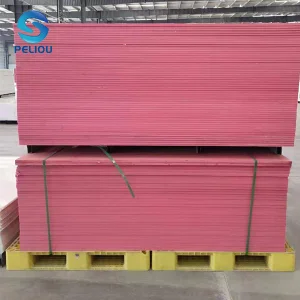
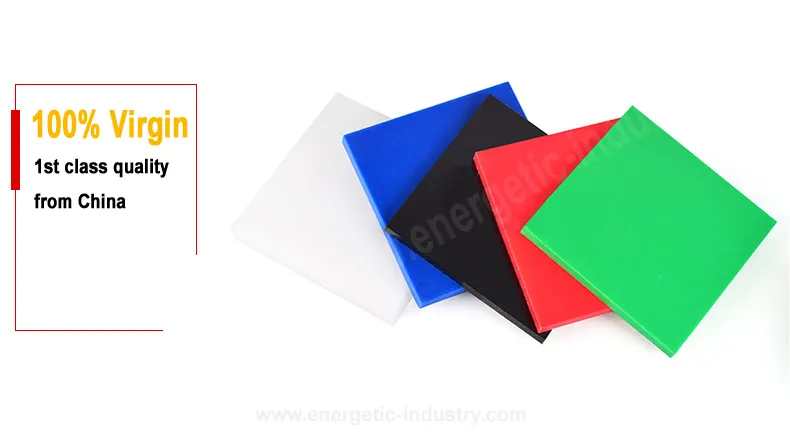
Color Natural white, Black, and other customized colors
Sheets Thickness 0.3mm ~ 200mm
Rods Diameter 20mm ~ 300mm
Similar Plastics PP (Polypropylene)

HDPE sheet & Rod offers excellent impact resistance, light weight, low moisture absorption, and high tensile strength. HDPE is non-toxic and non-staining, making it an ideal choice for food processing applications.

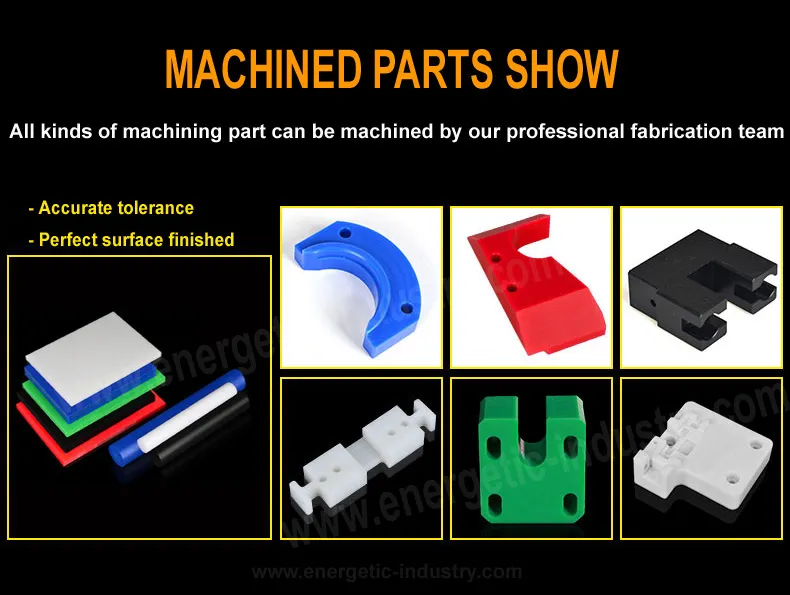
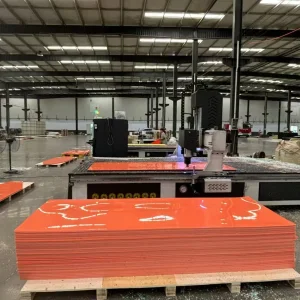
HDPE Sheet & Rod is light and easy to machine, which helps improve production efficiency. It is exceptionally tough and almost impossible to break, ensuring components can withstand high-impact environments and heavy usage.
Advantages

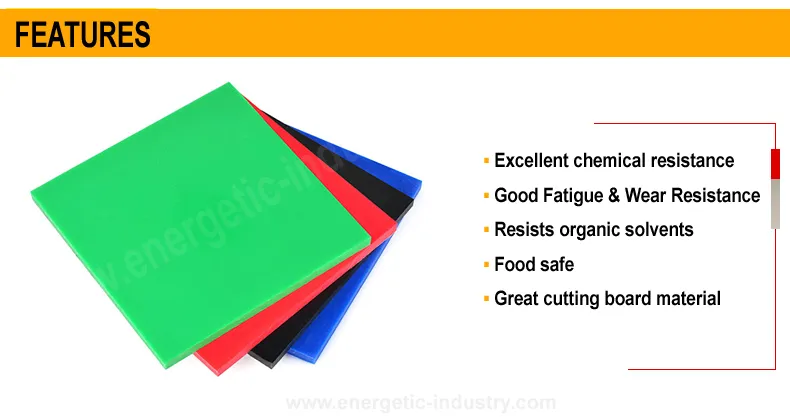
  • Excellent chemical and corrosion resistance.
  • Good fatigue and wear resistance.
  • Resists organic solvents and degreasing agents.
  • Food-safe material.
  • Great for cutting board applications.

Key Features

  • High tensile strength and lightweight.
  • Work temperature range: -50ºC to +90ºC.
  • Zero moisture absorption.
  • Non-toxic and non-staining properties.
  • Excellent thermoforming performance.

Industrial Applications

  • Food Cutting Boards
  • Chemical Storage Tanks
  • Orthotics & Prosthetic Devices
  • Industrial Trays
  • Water Storage Systems
  • Chain Guides (Light Duty)
  • Secondary Containment

Frequently Asked Questions

1. What is HDPE and what are its primary benefits?
High Density Polyethylene (HDPE) is a versatile plastic known for its excellent impact resistance, high tensile strength, and low moisture absorption. It is lightweight, durable, and resistant to many chemicals.
2. Is HDPE safe for use in food-related applications?
Yes, HDPE is non-toxic and non-staining. It is widely used in food processing, especially for manufacturing commercial cutting boards and food storage containers.
3. What is the operational temperature range for HDPE?
HDPE can perform effectively in temperatures ranging from -50ºC to +90ºC, making it suitable for both cold storage and moderately high-temperature industrial environments.
4. How does HDPE compare to PP (Polypropylene)?
While both are polyolefins, HDPE typically offers better impact resistance at low temperatures, whereas PP has a higher melting point and better chemical resistance to certain acids.
5. Is HDPE easy to machine or fabricate?
Yes, HDPE is very easy to machine using standard woodworking or metalworking tools. Its lightweight nature and toughness make it an efficient material for creating complex components.
6. Does HDPE absorb water?
No, HDPE has near-zero moisture absorption. This makes it ideal for water storage tanks, marine applications, and outdoor use where humidity is a factor.

Related Products