ProChef Kitchen
1 / 5
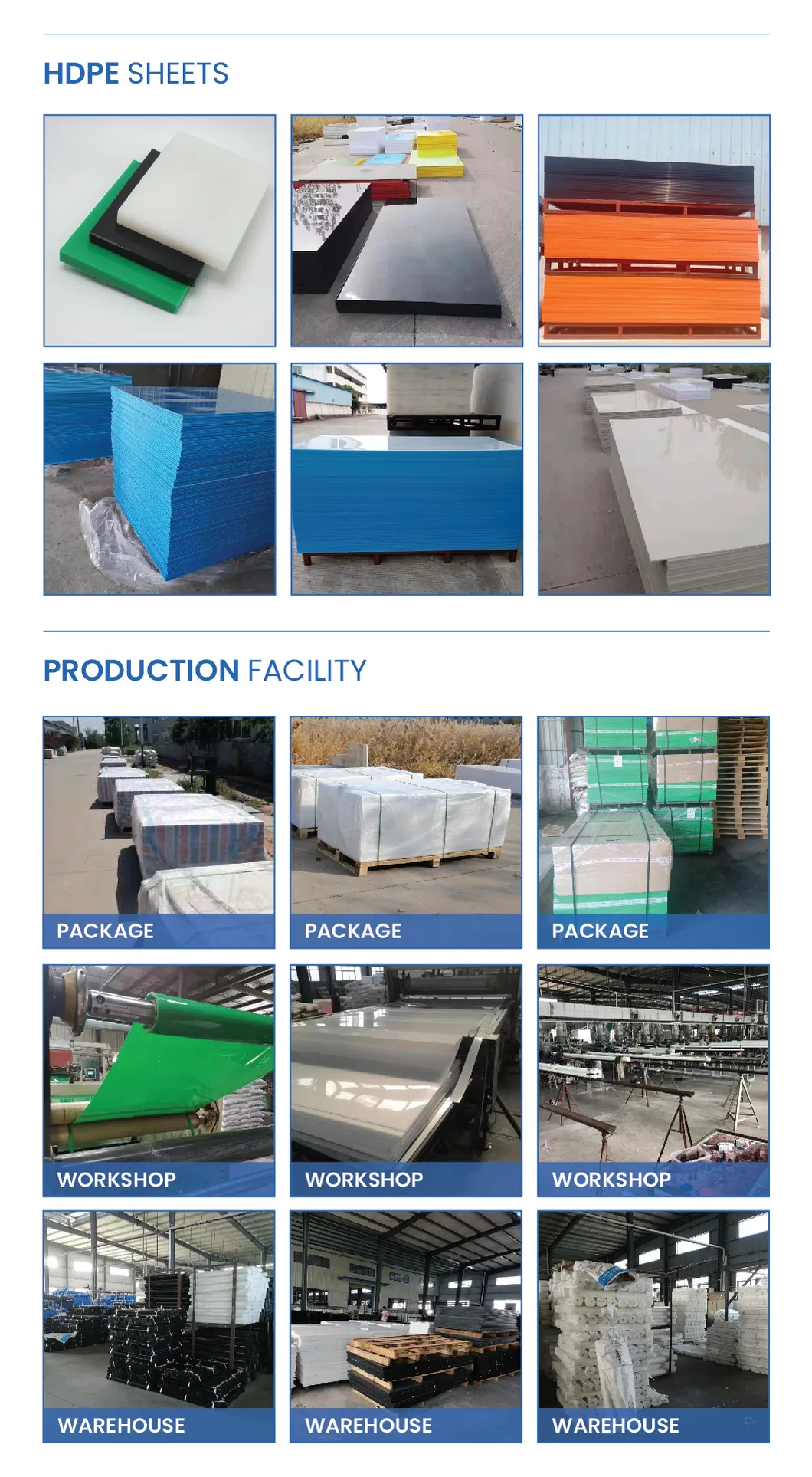
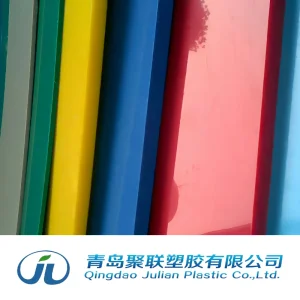
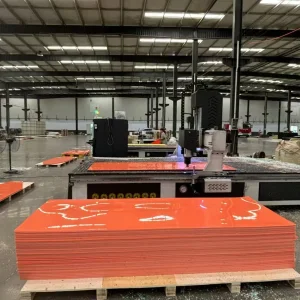
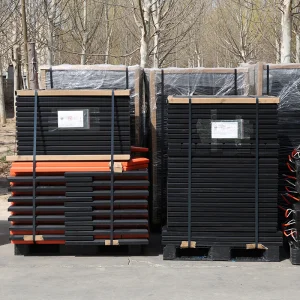
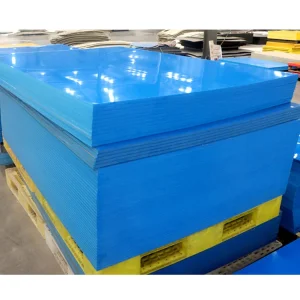
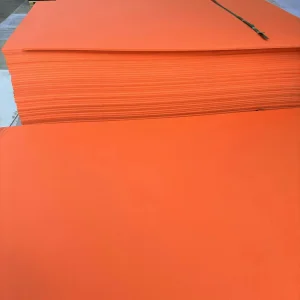
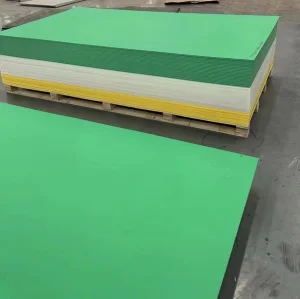
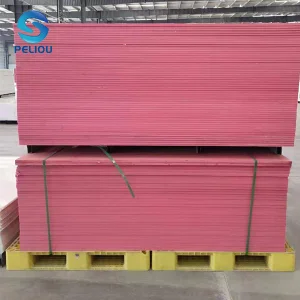
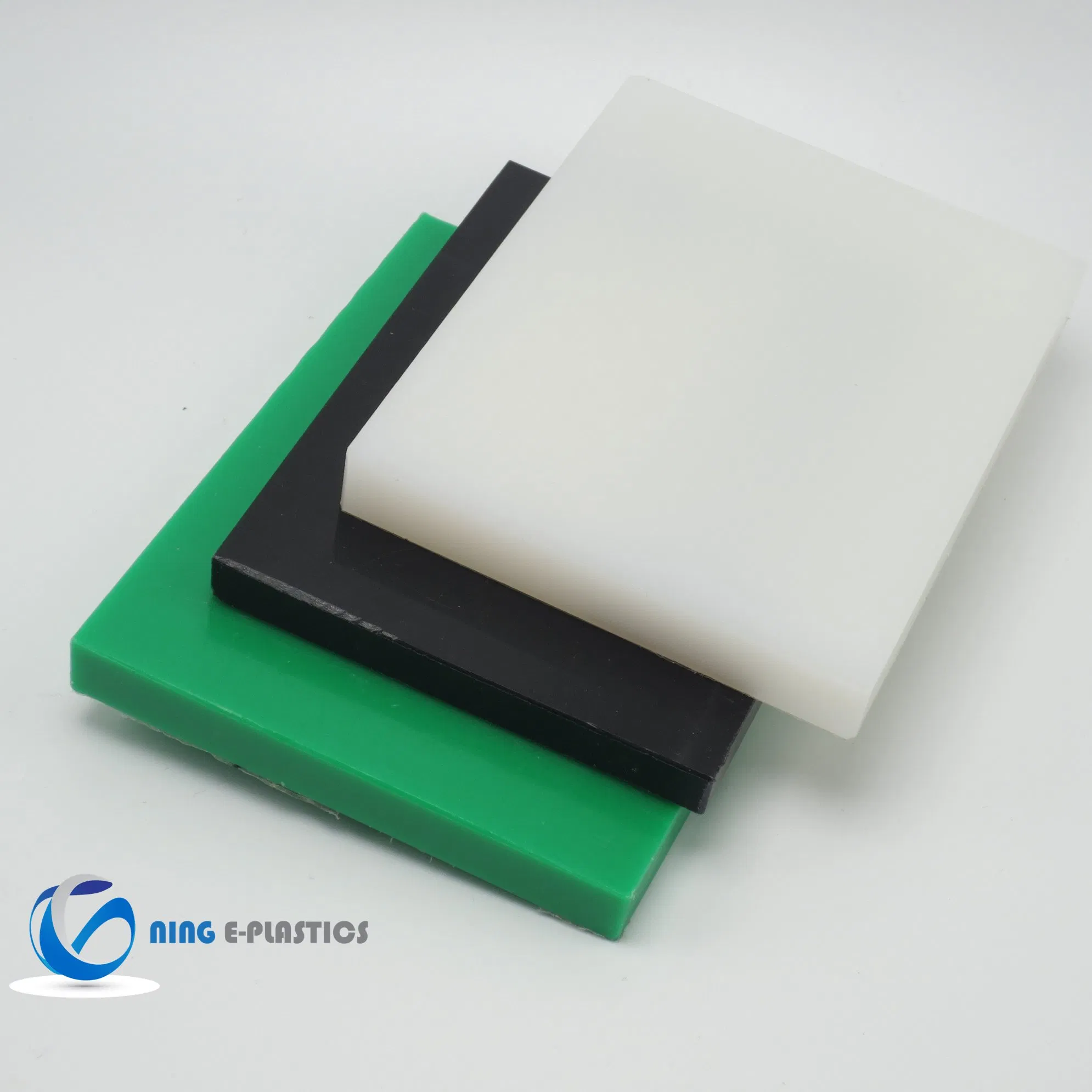
Colour: Black / White / Red / Yellow / Orange / Blue
Thickness: 2-200 mm (Sheet), 0.2-3 mm (Roll)
Standard Size: 1220 mm, 1000×2000 mm
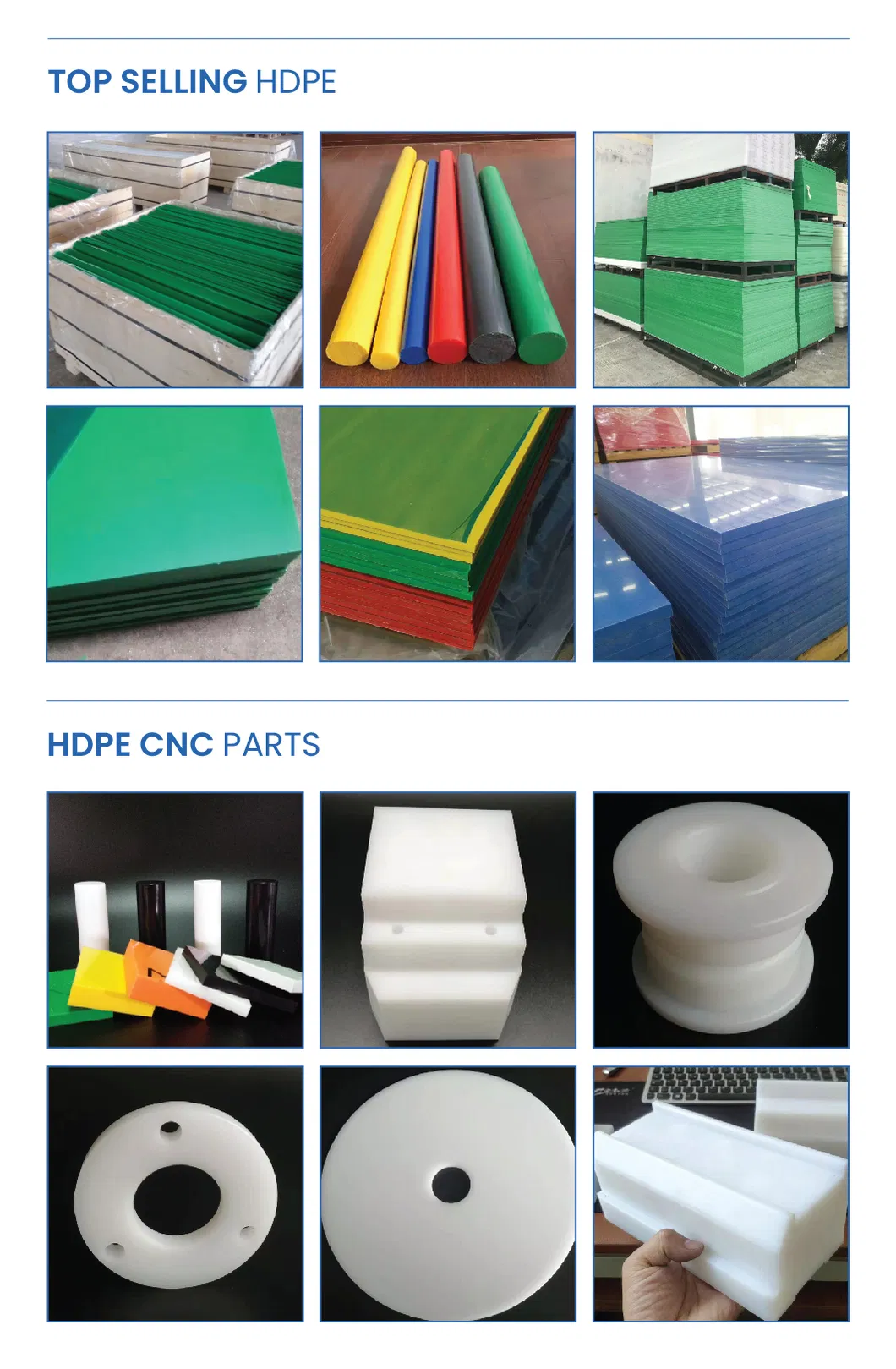
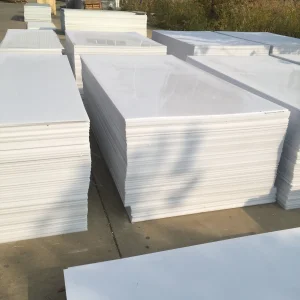
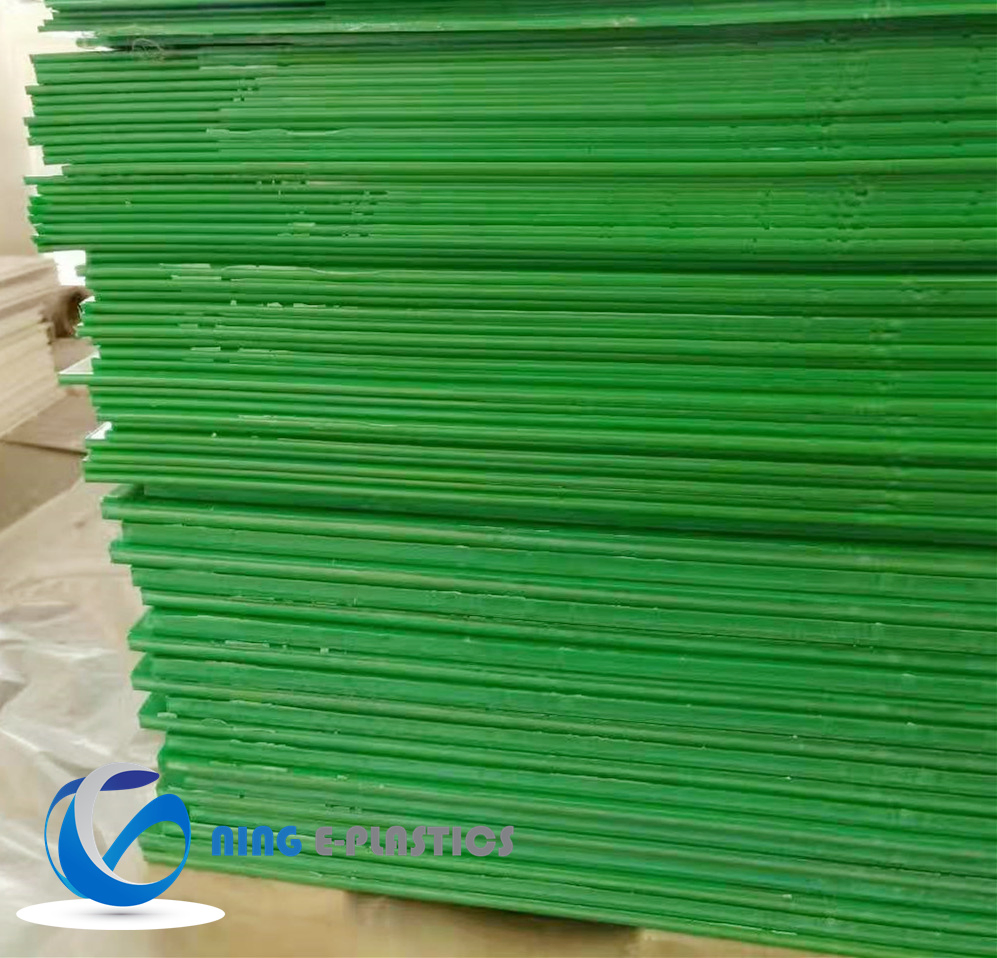
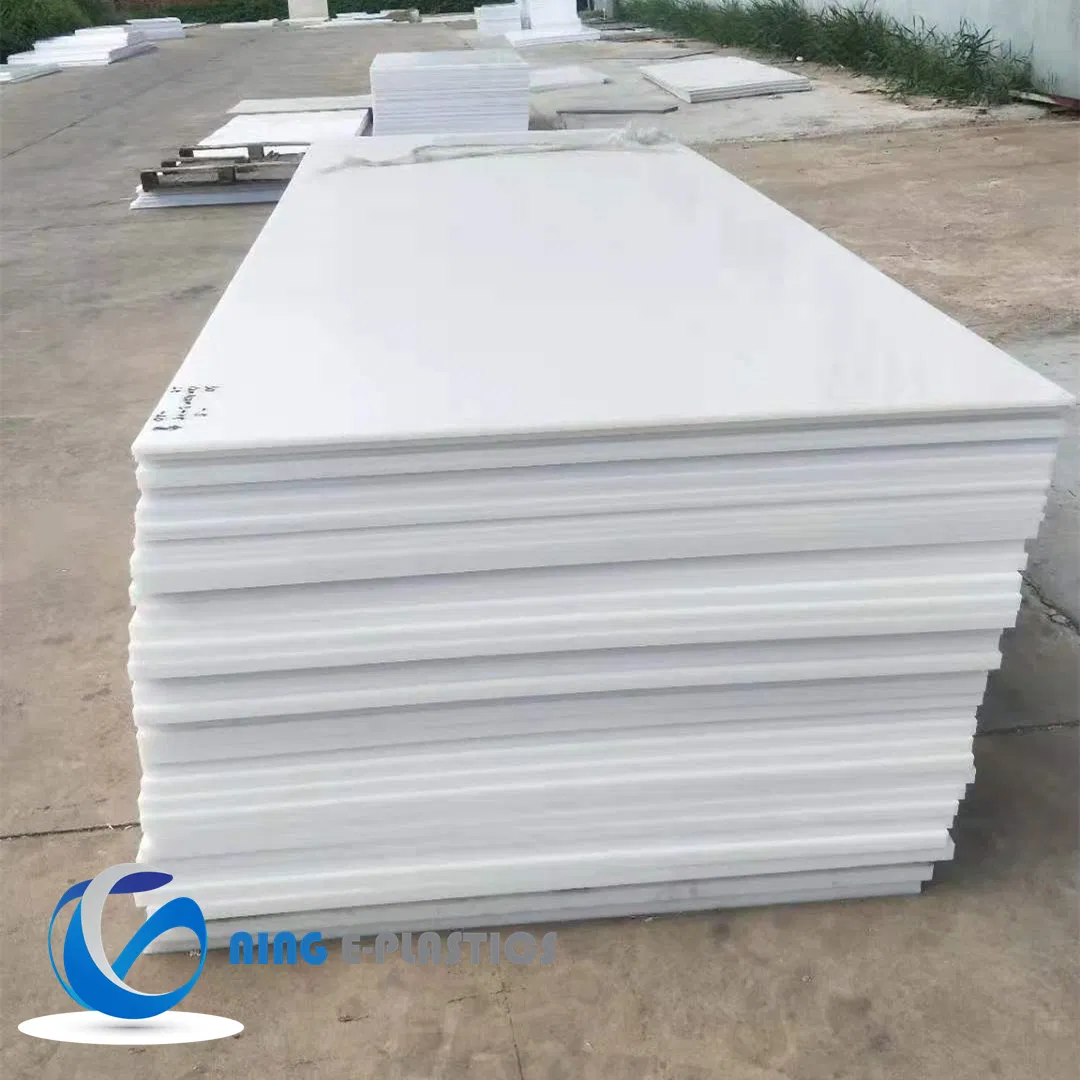
High Density Polyethylene (HDPE) sheet is extremely strong against impact, abrasion resistant, and exhibits a low coefficient of friction. The material is also moisture, stain, and odor resistant, and is FDA approved for use in the food processing industry (mainly for cutting boards). The material's durability makes it a perfect match for a variety of applications such as water tanks, chute linings, bottle/bottle cap production and numerous other industrial uses. Borated HDPE offers radiation protection in nuclear facility applications.
High-density Poly Ethylene also is known as HDPE is made from a cord of ethylene molecules, and is famous for its light weight and high durability. The preference of HDPE sheets is increasing from leaps and bounds in the market today, as it's able to cut down on the material which is then used for producing and packaging products for its strength and weight.
It is also available in sheet form with either a smooth or textured surface. The textured surface is also called cutting board. Both smooth and textured surfaces are FDA approved for food contact.
HDPE sheet comes with a textured surface which is also known as HDPE Matte sheet. This type of sheet is designed to produce items like cutting boards. HDPE Matte is acid resistant, reliable with FDA controls, and certified by the National Sanitation Foundation (NSF). It is best for food preparation as it won't make your knives dull, and it doesn't harbor bacteria as well.
Smooth HDPE sheeting is ideal for those applications which need good abrasion resistance and low friction. It comprises of multiple features which make it versatile for many applications. The best, yet the most common example of smooth HDPE sheet application is, tank linking. Smooth HDPE is effortlessly created and includes great compound protection, elasticity, and is dampness and effect safe.
This kind of HDPE plastic sheet features more advance performance than standard HDPE sheeting. The enhanced highlights of HDPE pipe grade make it the most well-known HDPE sheet for open air applications.
| Item | Result | Unit | Parameter | Norm Used |
|---|---|---|---|---|
| Mechanical Properties | ||||
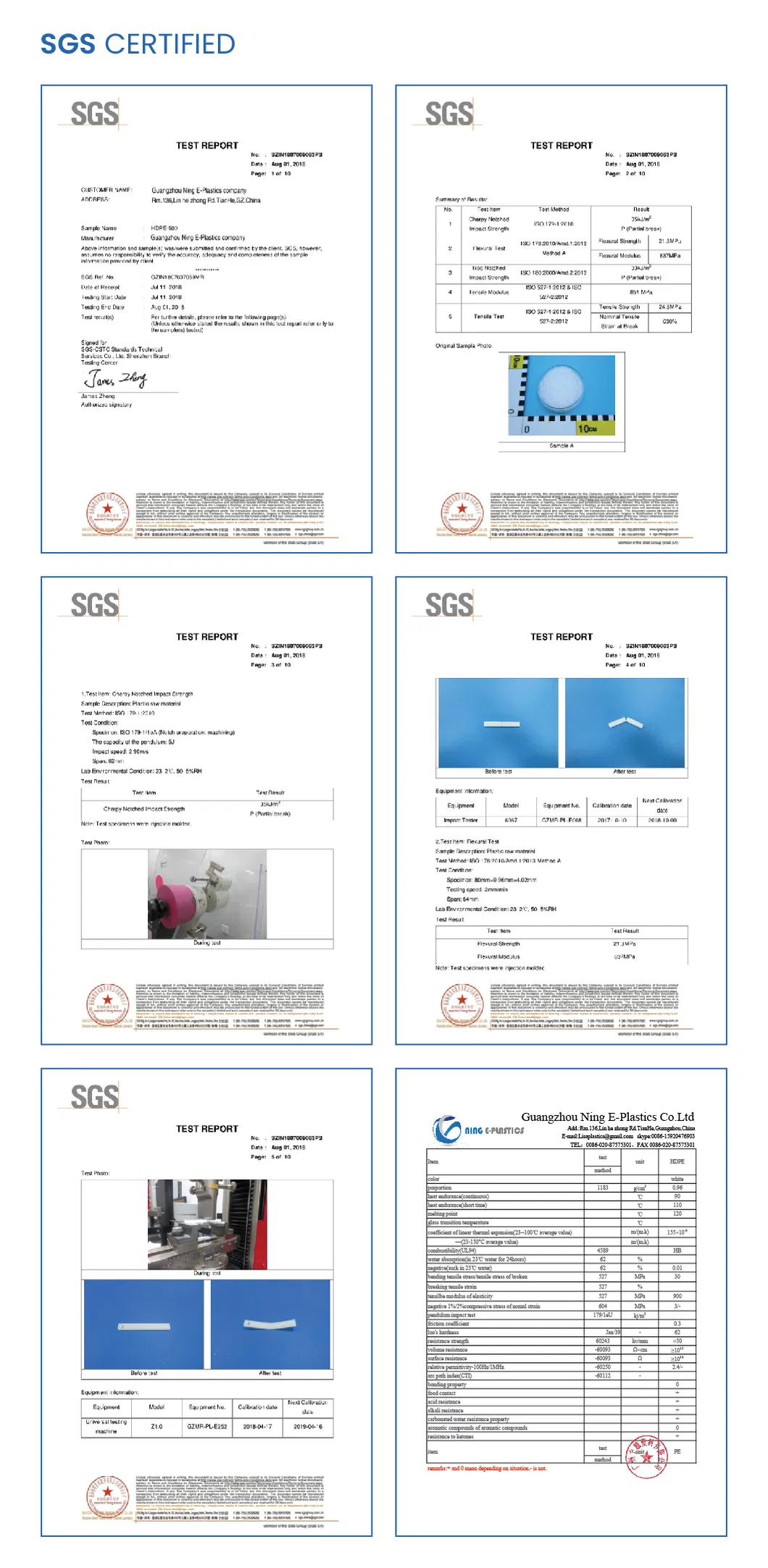
| Modulus of elasticity | 1000 | MPa | In tension | DIN EN ISO 527-2 |
| Modulus of elasticity | 1000 - 1400 | MPa | In flexure | DIN EN ISO 527-2 |
| Tensile strength at yield | 25 | MPa | 50 mm/min | DIN EN ISO 527-2 |
| Impact strength (Charpy) | 140 | Kj/m² | Max. 7,5j | - |
| Ball indentation hardness | 50 | MPa | - | ISO 2039-1 |
| Coefficient of friction | 0,29 | - | Against steel | - |
| Thermal Properties | ||||
| Glass transition temp. | -95 | °C | - | DIN 53765 |
| Crystalline melting point | 130 | °C | - | DIN 53765 |
| Service temperature | 90 | °C | Short term | - |
| Service temperature | 80 | °C | Long term | - |
| Thermal conductivity | 0,35 - 0,43 | W/(K+m) | - | ISO 22007-4 |