
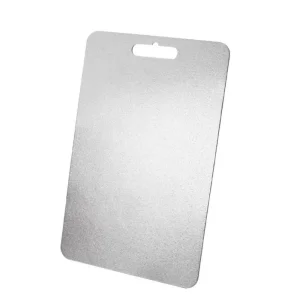
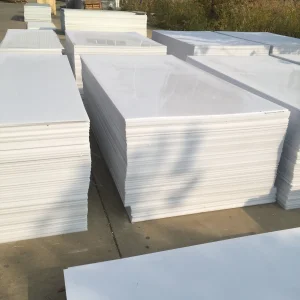

In modern commercial food processing, hospitality, and packaging industries, food safety boards have evolved from simple kitchen surfaces to critical sanitary instruments. The implementation of rigorous hazard mitigation protocols, such as Hazard Analysis Critical Control Point (HACCP) and the Global Food Safety Initiative (GFSI), has necessitated materials that are non-porous, highly cleanable, resistant to strong sanitisers, and chemically inert.
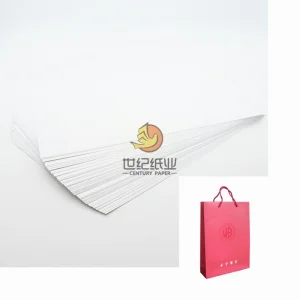
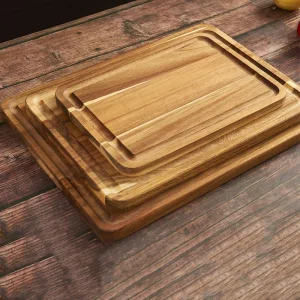
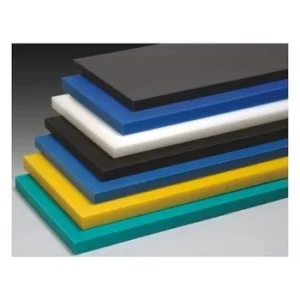
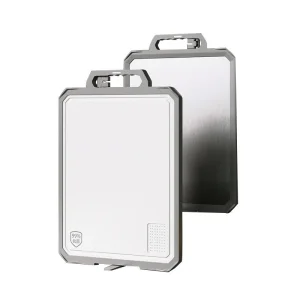
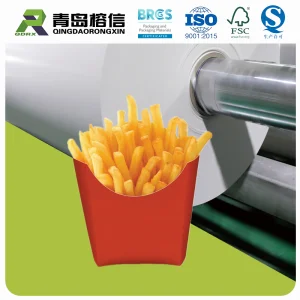
Globally, the market for professional-grade food safety boards is segmented into synthetic polymers (such as High-Density Polyethylene - HDPE), engineered natural fiber composites (such as wheat straw and bamboo charcoal), high-grade premium hardwoods (Acacia, Maple), and advanced metallic surfaces like titanium and stainless steel. In the food packaging sector, the reliance on high-quality Ivory Board and Bleached Folding Box Board (FBB) ensures structural integrity while maintaining strict chemical compliance to prevent contaminate migration into food items. The transition towards sustainable circular polymers and composite materials reflects the global commercial demand to lower Scope 3 carbon footprints without compromising physical resilience.
Note on Regulatory Compliances: Food contact materials must strictly adhere to regulations including the US FDA 21 CFR 177.1520 for polymers, European Regulation (EC) No 1935/2004, and local sanitary mandates. Ensuring certified raw material sourcing is the baseline for global product validation.
Since its establishment, Shandong ProChef Kitchen Co., Ltd. has been dedicated to the development and manufacturing of kitchen products, with a strong specialization in cutting boards. Over the years, the company has built solid technical expertise and extensive industry experience, becoming a reliable manufacturer in plastic and composite cutting board production. Guided by industrial innovation and detailed market insights, the company continuously improves its product structural integrity, currently holding multiple design patents and proprietary technologies.
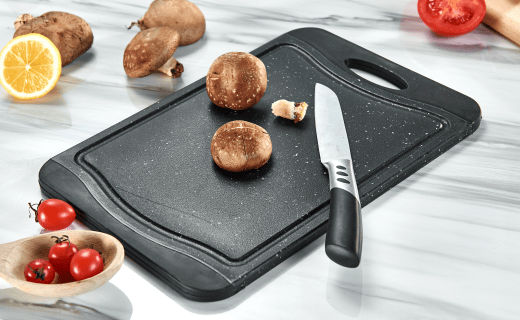
With a strong focus on antibacterial cutting boards, we have established a solid reputation in both domestic and international markets. Our mission is to deliver high-quality, safe, eco-friendly, and innovative kitchen solutions that meet the evolving needs of modern consumers, catering to commercial hospitality operations, bulk distributors, and large-scale industrial processors.
Shandong ProChef Kitchen Co., Ltd. is committed to redefining the role and value of cutting boards in the kitchen. Although often overlooked, cutting boards are essential to food safety and cooking efficiency. We strive to develop products that combine health, safety, sustainability, and user-friendly design, making them indispensable tools in every modern kitchen.
We utilize advanced materials and cutting-edge antibacterial technologies to ensure long-lasting protection against bacteria, helping safeguard the health of users and their families.
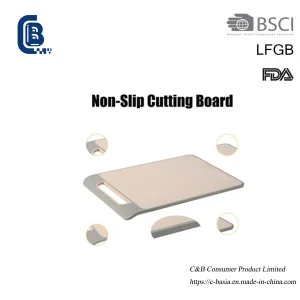
Our cutting boards feature anti-slip designs and knife-friendly surfaces, enhancing safety during use while helping extend the lifespan of kitchen knives.
From raw material sourcing to manufacturing, we strictly follow environmentally responsible practices. Our products are designed to be recyclable, supporting sustainability.
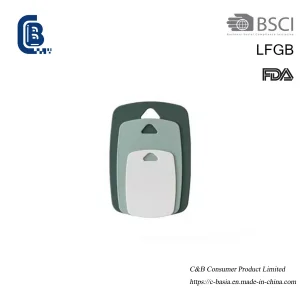
We focus on practical details that improve the cooking experience, such as separation for raw and cooked foods, juice grooves, easy cleaning, and convenient storage solutions—making kitchen work more efficient and enjoyable. We recognize that commercial kitchens demand high-throughput workflow, which translates directly to how board weight, handle design, and color-coded cross-contamination prevention systems are executed.
Our professional R&D team combines experience with innovation, maintaining strong awareness of market trends and customer needs. We are committed to transforming ideas into practical, high-quality products and providing customized solutions for our clients. Through constant material testing (including polymer compounding, natural fiber processing, and surface structural analysis), the R&D team ensures our products exceed market baselines for hardness, scratch resistance, and bacterial inhibition.
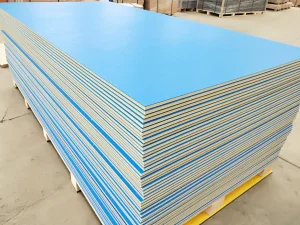
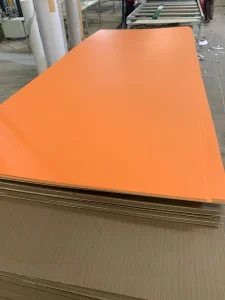
Equipped with advanced machinery and refined manufacturing processes, our production team ensures efficient output and consistent product quality. Strict production management guarantees reliability and stability. Our extrusion lines and high-pressure molding presses utilize smart control systems to ensure even density and prevent internal air pocket formation within the HDPE and composite sheets—eliminating structural weaknesses that could lead to early warping or splitting.
We implement a comprehensive quality control system across every stage—from raw material selection to final inspection. Each product undergoes rigorous testing to ensure it meets our high standards and delivers dependable performance to customers. Our testing laboratories perform regular chemical elution tests, mechanical wear resistance analyses, and load-bearing stress tests to guarantee every batch sent to international markets meets strict consumer protection benchmarks.
Looking ahead, Shandong ProChef Kitchen Co., Ltd. will continue to increase investment in research and development, expand its product portfolio, and strengthen its global market presence. We are committed to becoming a leading kitchenware manufacturer worldwide and look forward to building long-term partnerships to create healthier, smarter, and more efficient kitchen experiences.
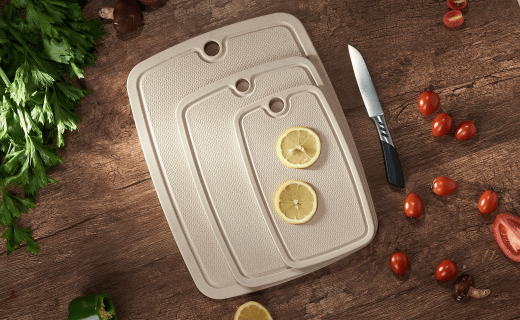
China remains the undisputed epicenter for high-precision manufacturing of food contact materials. The industrial clustering in provinces like Shandong provides a seamless supply chain loop. This infrastructure integrates raw polymer processing, natural hardwood harvesting, ecological wheat straw utilization, high-performance machinery manufacturing, and streamlined logistics corridors. The localized availability of food-grade pigments, stabilisers, and specialized packaging manufacturers means that production timelines are minimized while maintaining significant cost efficiencies.
Furthermore, Chinese factories have modernized production using automated CNC cutting systems, robotic finishing arms, and computerized quality checking. This automation allows for cost structures that are unmatched by Western counterparts. It also allows for rapid scale-up, enabling facilities to fulfill high-volume orders for multi-national retail chains, international hotel supplies, and commercial food distributors within compressed lead times.
Different markets and industries present unique requirements based on regional regulations and culinary practices:
 ProChef Kitchen