How Often Should You Replace Your Kitchen Cutting Board?

Time:2026-08-22 Author:Sophia
0%

When it comes to your kitchen, cutting boards play a crucial role in food preparation. However, many cooks overlook an important question: how often should you replace a kitchen cutting board? The answer is not straightforward. Different factors can influence the longevity of your cutting board. Materials, usage frequency, and maintenance all come into play.

Wooden boards may last longer but can harbor bacteria if not treated well. Plastic boards, on the other hand, can show wear and tear more quickly. Pay attention to deep grooves, cracks, or warping. These are signs that your cutting board may need replacing. It is also worth considering the types of food you prepare. If you often cut raw meat, that board may need to be replaced sooner.

Being aware of these details can help maintain kitchen hygiene. A well-cared-for board enhances your cooking experience. Yet many overlook the importance of regular replacement. Reflecting on your cutting board’s state may lead to better kitchen practices. After all, safe food preparation starts with a reliable cutting surface.
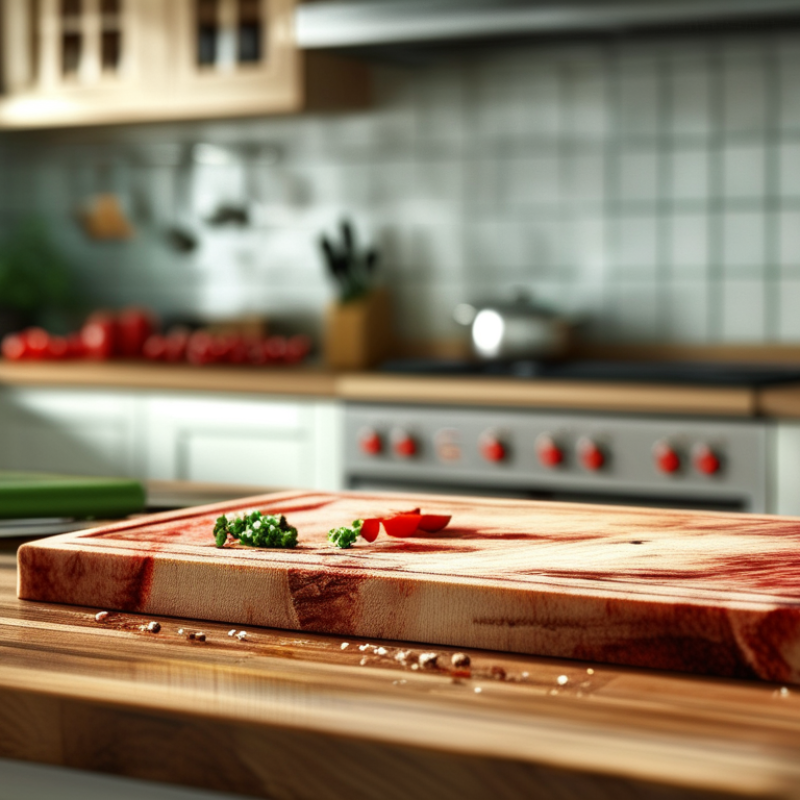
How Often Should You Replace Your Kitchen Cutting Board?

Factors Influencing the Lifespan of Kitchen Cutting Boards

The lifespan of kitchen cutting boards can vary based on several factors. The materials used in the board greatly influence how long it lasts. Wood boards tend to age well, developing a unique patina over time. However, they require regular maintenance, such as oiling. Plastic boards are often easier to clean but can wear down and develop deep grooves. These grooves can harbor bacteria, leading to food safety concerns.

Usage frequency is another critical factor. If you cut raw meat regularly, the board will experience more wear and tear. This can lead to cuts and scratches that compromise the board's integrity. Different types of food also impact a board's lifespan. Acidic foods can damage some types of boards, while others stand up better to such use.

Finally, cleaning methods can either extend or shorten a board's life. Hot water and harsh soaps can damage certain materials. Proper cleaning plays a crucial role in maintaining hygiene too. It’s essential to reflect on these factors to make informed decisions. A cutting board may need replacement sooner than you think if not properly cared for.

Signs That Indicate It's Time to Replace Your Cutting Board

A cutting board is essential in any kitchen. Signs it’s time to replace your board can be subtle but crucial. One major indicator is visible deep grooves or scratches. These crevices can harbor bacteria, making your kitchen a less safe environment. According to a study by the NSF International, wood boards retain fewer bacteria than plastic ones. However, once they are heavily worn, wood cutting boards can also pose risks.

Another sign to watch for is persistent odors, despite cleaning. A board that retains smells might be absorbing food particles and bacteria. This can lead to unpleasant flavors in your meals. The FDA recommends replacing any cutting board that has been sanitized but still smells. Notably, if your board has lost its structure or is warped, it’s time for a new one. A study by the University of Florida found that warped boards can compromise cutting precision, leading to ineffective food preparation.

When considering your cutting board’s lifespan, reflect on its condition regularly. Noticing these signs can help you make informed decisions, ensuring food safety and quality in your kitchen. Remember, a well-maintained cutting board can enhance your culinary experience.

Recommended Timeframe for Replacing Different Types of Cutting Boards

When it comes to kitchen hygiene, cutting boards are often overlooked. Yet, studies indicate that wooden boards can harbor fewer bacteria than plastic ones, if maintained properly. However, their porous nature means they can absorb juices and odors. Industry data suggests replacing wooden cutting boards every five to ten years, depending on usage and maintenance. Regular sanding and oiling can prolong their life significantly.

Plastic cutting boards, while more durable and often dishwasher safe, have different replacement guidelines. The USDA recommends replacing them every one to two years, especially if they show deep grooves or cuts. These crevices can trap bacteria, making effective cleaning impossible. Ultimately, while plastic boards may seem more reliable, their lifespan is considerably shorter when used extensively.

Glass cutting boards are more resistant to knife marks but not without their issues. They can cause knife dullness, impacting food preparation. Therefore, replacing glass boards every three to five years is a recommended practice. This timeframe allows for replacement due to wear and tear while ensuring cleanliness and safety in food preparation.

How Often Should You Replace Your Kitchen Cutting Board?

Type of Cutting Board Recommended Replacement Timeframe Signs It Needs Replacement
Wooden Cutting Board Every 5-10 years Deep grooves, warping, or cracks
Plastic Cutting Board Every 1-2 years Scratches or odors that won't wash away
Bamboo Cutting Board Every 3-5 years Cracks or excessive wear
Glass Cutting Board As needed or when chipped Chips or cracks
Marble Cutting Board Every 5-10 years Visible scratches or stains

Best Practices for Maintaining and Extending Cutting Board Lifespan

Maintaining your kitchen cutting board is essential for both hygiene and longevity. Regular cleaning is a must. Wash your board with hot, soapy water after each use. For wood boards, avoid soaking them. Instead, wipe them down with a damp cloth. This prevents warping and keeps the surface intact.

Another aspect to consider is oiling wooden boards. Apply food-grade mineral oil every few weeks. This practice helps to nourish the wood and creates a barrier against moisture. If your board begins to crack or shows signs of wear, it may be time to reassess its usability. A board that is too damaged can harbor bacteria, even after cleaning.

Lastly, be mindful of the materials used in your board. Plastic boards can often be washed in the dishwasher for thorough sanitation. However, they may develop grooves over time. These grooves can trap food particles. In contrast, wooden boards are gentler on knives but require more careful maintenance. Evaluate your cutting board regularly and consider replacing it if it shows significant wear or damage.

Health Risks Associated with Using Old or Damaged Cutting Boards

Cutting boards play a vital role in food preparation. However, using old or damaged cutting boards can pose serious health risks. Over time, these boards accumulate scratches and grooves. These tiny crevices can harbor harmful bacteria like Salmonella and E. coli. Once bacteria invade, cleaning may not eliminate them completely. This hidden threat can lead to foodborne illnesses.

A worn board often has a dull surface that makes slicing difficult. This can result in increased force while cutting, leading to slips and accidents in the kitchen. When you notice deep cuts or stains, it’s a good indicator that it’s time to replace your board.

In terms of maintenance, regularly inspect your cutting boards for wear and tear. Wooden boards can last longer if oiled regularly. Always use separate boards for meats and vegetables to minimize cross-contamination. Cleaning with hot, soapy water is essential. However, avoid soaking wooden boards. If you notice persistent odors, that’s a clear sign of bacteria buildup. Keeping an eye on these details is crucial for safe food preparation.

Cutting Board Replacement Frequency and Associated Health Risks

FAQS

: How can I tell if my cutting board needs replacing?

: Look for deep grooves, scratches, or warped surfaces. These signs can harbor bacteria.

What should I do if my cutting board smells bad?

If cleaning doesn’t help, replace it. Odors indicate it’s absorbing particles and bacteria.

How often should I replace wooden cutting boards?

Replace them every five to ten years, depending on usage. Regular maintenance extends their life.

What is the lifespan of plastic cutting boards?

Replace them every one to two years if they show deep grooves or cuts.

How often should I change glass cutting boards?

Glass boards should be replaced every three to five years to maintain safety and cleanliness.

What’s the best way to clean my cutting board?

Wash it with hot, soapy water. For wood boards, avoid soaking. Wipe with a damp cloth instead.

How can I prolong the life of a wooden cutting board?

Apply food-grade mineral oil regularly. This nourishes the wood and prevents moisture absorption.

Are there risks with heavily worn cutting boards?

Yes, they can harbor bacteria and affect food safety. Replace any board that is too damaged.

Can I wash plastic cutting boards in the dishwasher?

Yes, they are dishwasher safe. However, check for grooves that may trap food particles.

Is maintaining my cutting board really that important?

Yes, proper maintenance supports hygiene and longevity, enhancing your culinary experience.

Conclusion

When considering how often should you replace a kitchen cutting board, several factors come into play, including the material, frequency of use, and maintenance practices. Generally, wooden boards can last for years with proper care, while plastic boards may show signs of wear and tear sooner. Signs that indicate it’s time for replacement include deep grooves, cracks, or persistent odors, as these can harbor bacteria.

To maintain the lifespan of your cutting board, it’s essential to clean it properly, avoid soaking it in water, and routinely oil wooden boards. To minimize health risks, replacing old or damaged cutting boards is crucial, as they can pose contamination concerns during food preparation. Ultimately, being aware of these signs and best practices can help you determine the appropriate timeframe for replacing different types of cutting boards while ensuring food safety in your kitchen.

Sophia

Sophia

Sophia is a dedicated marketing professional with an exceptional depth of knowledge about her company's products and services. With a keen understanding of market trends and customer needs, she crafts insightful blog posts that not only inform but also engage readers, enriching the company’s online......