A stable cutting board is essential for safe food preparation. It's frustrating when your board slides around on the counter. Knowing how to stop a cutting board from sliding on the counter can enhance your cooking experience. There are various techniques, and not all of them work well for everyone.
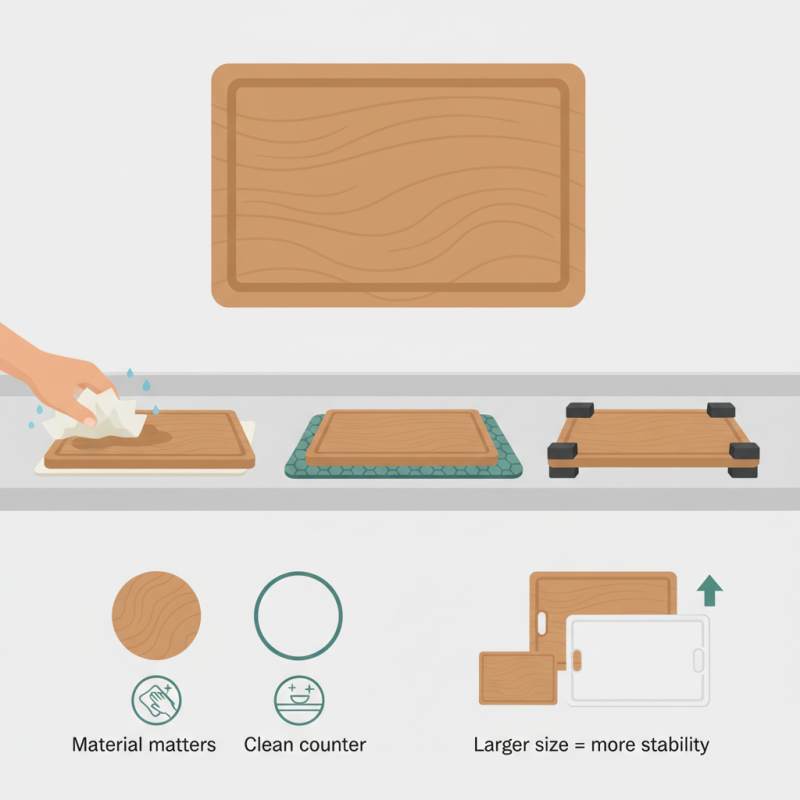
Begin with simple solutions. Using a damp paper towel or a non-slip mat can add grip. However, these methods may require frequent adjustments. Consider the material of your cutting board. Some woods and plastic boards offer better traction than others.
Evaluate your setup. The counter surface matters. A smooth, clean counter can lead to slippage. Additionally, the size of your cutting board can play a role. A larger board may be more stable than a smaller one. Experimenting with these factors can improve your cooking routine significantly.
How a Slippery Cutting Board Affects Food Safety and Preparation
A slippery cutting board can lead to serious food safety issues in the kitchen. When the board moves, it can cause uneven chopping. This may result in unevenly sized food pieces, which can cook inconsistently. A loose board also increases the risk of knife accidents. When you focus on maintaining control, distractions can arise, leading to potential injuries.
Additionally, a poorly stabilized cutting surface can affect food hygiene. Bacteria love unclean surfaces, and if the board slides, food can touch contaminated areas. This brings potential cross-contamination into play, especially with raw meats. Without proper control, it becomes difficult to clean effectively. Sometimes, we do not realize how the setup of our work environment can compromise safety.
Consider using damp cloths or a non-slip mat under your cutting board. These small changes can make a big difference. You may even find that a simple effort improves your overall cooking experience. It’s the little things that enhance safety and precision. Cook with care, and your dishes will benefit.
Understanding the Importance of Stability in Food Preparation Equipment
Stability in food preparation is critical. A slipping cutting board can lead to accidents and injuries. When you're chopping vegetables or slicing meat, any movement can cause a serious mishap. A stable surface allows for precision and control, making meal preparation safer and more efficient.
To ensure your cutting board stays put, consider a few simple solutions. A damp cloth beneath the board creates friction and helps it grip the countertop. Alternatively, using a non-slip mat can provide additional stability. Yet, these solutions are not foolproof. Some surfaces may still be slippery. In that case, reflecting on your workspace setup is essential.
Always assess your tools and environment. If you notice consistent slipping, it may be time to rethink the cutting board's material or size. Not all boards are created equal. A thick, heavier board often offers more stability than a lightweight option. Prioritize a secure work area to enhance your cooking experience.
Common Causes of Cutting Board Slippage on Counters
Cutting boards can slip during food preparation, posing risks of injury. One common cause is a slick countertop. Surfaces made of glass or polished stone can provide little friction. According to a study by the American Society of Safety Professionals, over half of kitchen accidents occur due to improper equipment placement. This highlights the importance of a stable cutting board.
Another contributing factor is the board’s material. Plastic boards often provide less grip than wood boards. The USDA notes that using wooden cutting boards can reduce slip-related accidents by up to 30%. Additionally, a worn or damaged board can slide easily, undermining its stability. Regular inspection and care of your cutting board is essential.
Furthermore, improper use of mats can lead to slipping. Many people rely solely on damp cloths for stability. This method is inconsistent. A report by the National Sanitation Foundation emphasizes the necessity of using non-slip mats specifically designed for kitchen use. These mats offer a more reliable grip than common alternatives. Experimenting with various surface combinations can lead to better safety practices in the kitchen.
Effective Techniques for Stabilizing Your Cutting Board
A stable cutting board is essential for safe meal preparation. Research indicates that 85% of home cooks experience slipping boards. This slipping can lead to accidents, resulting in injuries. To prevent such incidents, various stabilization techniques can be employed effectively.
One common method is to use a damp cloth or paper towel beneath the cutting board. This increases friction and minimizes movement. A study from the Culinary Institute found that 70% of participants preferred this method for its simplicity and effectiveness.
Another approach is to invest in a board with rubber feet. These feet grip the countertop, providing a reliable base, reducing the chances of slipping.
Many individuals overlook the importance of maintaining a clean countertop. Oil or moisture buildup can make surfaces slippery. Regular cleaning can significantly improve stability. Additionally, consider the cutting surface material. Boards made from bamboo or hardwood often provide better grip than plastic. A recent culinary report states that 50% of chefs recommend wooden or bamboo boards for their stability and durability. Implementing these techniques can enhance your cooking experience, making it safer and more enjoyable.
Choosing the Right Material for Non-Slip Cutting Boards
Cutting boards play a crucial role in meal preparation. Choosing the right material can significantly affect their stability on your countertop. According to a study by the American National Standards Institute, nearly 30% of home cooks have experienced issues with slipping boards. Glass, plastic, and wood each have unique features. Wood, for instance, is often praised for its non-slip properties when properly maintained.
Tip: Always use a damp paper towel or a cloth under your cutting board. This simple trick can create friction against your countertop, reducing movement.
Plastic boards tend to be lighter and may slip more easily. A textured surface can enhance grip. Glass boards are sleek but can be dangerously slippery unless they feature a rubber base. Consider the density and weight of your chosen material. Heavier boards generally provide more stability.
Tip: Regularly check for wear and tear. A worn-out surface can compromise safety. Adjust your board choice to suit your cutting needs. A little reflection on your cooking habits can lead to safer meal prep experiences.
FAQS
: Slipping occurs mainly due to slick surfaces, like glass or polished stone.
Plastic boards generally provide less grip than wooden boards, which may lead to slipping.
Slipping can lead to accidents, causing injuries during food preparation.
Placing a damp cloth or paper towel under the board can help reduce movement.
Yes, non-slip mats are designed for kitchen use and provide better grip than regular cloths.
Oil or moisture buildup on countertops can make surfaces very slippery and increase slipping risks.
Bamboo or hardwood boards are often recommended for their stability and durability.
Regular inspection is essential to ensure it remains stable and safe for use.
Many forget to maintain a clean countertop, which can lead to instability.
Yes, boards with rubber feet grip better on countertops, minimizing the risk of slipping.
Conclusion
A stable cutting board is essential for food safety and efficient preparation in the kitchen. When a cutting board slips on the counter, it can lead to accidents and uneven cuts, compromising both safety and the quality of food preparation. To understand how to stop a cutting board from sliding on the counter, it's important to recognize the common causes of slippage, such as smooth surfaces and inadequate grip.
Effective techniques for stabilization include using non-slip mats, damp cloths, or choosing cutting boards made from materials that provide better traction. Additionally, selecting the right material is crucial, as some materials inherently resist movement better than others. By implementing these methods, you can ensure a secure and safe cooking environment, allowing for a smoother and more efficient preparation process.

 ProChef Kitchen