In today's culinary world, understanding how to prevent cross-contamination during meal prep is crucial. Chef Emily Johnson, a food safety expert, emphasizes, "Keeping food safe begins long before it reaches the plate." This statement underlines the importance of proper food handling techniques to avoid foodborne illnesses.
Cross-contamination occurs when harmful bacteria are transferred from one food source to another. This often happens when raw meat juices touch vegetables or when utensils are shared without proper cleaning. The kitchen is a busy environment, and it can be easy to overlook these risks. It’s essential to compartmentalize food preparation. Use separate cutting boards and utensils for raw and cooked foods.
Awareness and reflection are key in maintaining safety. It’s easy to assume that all precautions are taken. However, a lack of vigilance can lead to serious health issues. Being aware of your meal prep practices can help ensure a safe dining experience for everyone involved. By adopting these simple yet effective strategies, we can protect ourselves and our loved ones from foodborne diseases.
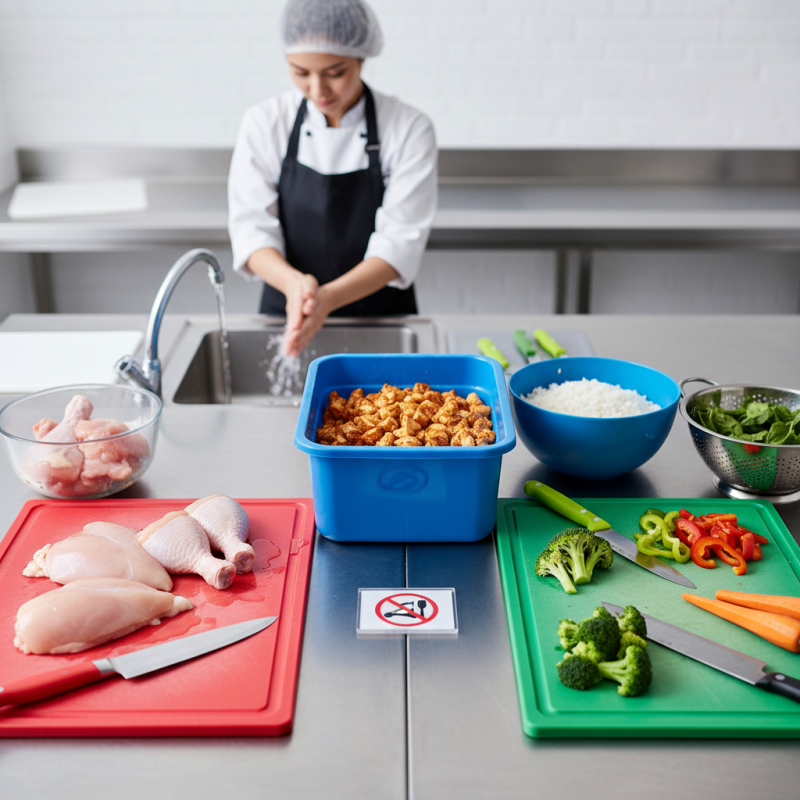
Cross contamination is a serious concern in food safety. It occurs when harmful bacteria or allergens are transferred from one food to another. According to the Centers for Disease Control and Prevention (CDC), approximately 48 million Americans fall ill from foodborne illnesses each year. Among these cases, cross contamination is often a contributing factor. Understanding how it happens can help us mitigate the risk.
To prevent cross contamination, proper food handling techniques are crucial. Use separate cutting boards for raw meat and vegetables. This simple action can cut down the risk significantly. Research shows that many home kitchens do not practice this, leading to widespread, preventable illnesses. In fact, a report from the Food and Drug Administration indicated that nearly 65% of households do not utilize separate utensils for raw and cooked foods.
Handwashing is another key element. Studies show that only 30% of people wash their hands properly during meal prep. This failure can facilitate the transfer of pathogens. Cleaning surfaces with sanitizers can also help reduce risks. However, not all cleaning products are equally effective. Educating yourself about proper methods is vital. Everyone has room for improvement in their meal prep habits to ensure food safety.
Handwashing is a crucial step in preventing cross-contamination during meal prep. According to the Centers for Disease Control and Prevention (CDC), nearly 48 million people in the U.S. get sick from foodborne illnesses annually. Proper handwashing can significantly reduce this risk. It’s recommended to wash hands for at least 20 seconds, especially after handling raw meats. This simple act can remove bacteria and viruses that contribute to contamination.
In addition to handwashing, here are some tips to ensure food safety. Always use separate cutting boards for meat and vegetables. This practice minimizes the risk of bacteria transferring from raw protein to ready-to-eat foods. Also, ensure that kitchen surfaces are regularly sanitized. A study by the Food Safety Institute found that surfaces cleaned with proper disinfectants reduced bacteria by up to 99%.
Don’t forget to keep your nails clean and trimmed. Bacteria can hide underneath them, even with regular washing. If you feel unsure about your handwashing technique, consider using an alcohol-based hand sanitizer when soap and water aren't available. Reflecting on personal habits is essential. Are you washing your hands often enough? Make it a goal to improve your kitchen hygiene for safer meal prep.
| Tip | Description | Frequency |
|---|---|---|
| Wash Hands | Always wash hands with soap and water for at least 20 seconds. | Before and after handling food |
| Use Separate Cutting Boards | Keep separate boards for raw meat and vegetables to avoid contamination. | Every meal prep |
| Clean Surfaces | Wipe down kitchen counters and surfaces with sanitizer before cooking. | Daily |
| Store Food Properly | Keep raw foods separate from cooked foods in the refrigerator. | Every time food is stored |
| Use Gloves When Necessary | Wear disposable gloves when handling ready-to-eat foods. | As needed |
Safe food storage is crucial in preventing cross-contamination, especially during meal prep. According to the CDC, about 48 million people get sick from foodborne illnesses each year in the U.S. Keeping raw and cooked foods separate can greatly reduce this risk. When storing food, ensure raw meats are placed on the bottom shelves of your refrigerator. This prevents their juices from contaminating other foods.
One effective tip is using separate containers for raw and cooked foods. Color-coded containers help distinguish between them, making it easier to avoid mistakes. It’s also important to label your food with preparation dates. This way, you can regularly check for outdated items that could lead to potential health risks.
If you’re meal prepping, consider prepping in batches. Prepare raw ingredients separately from cooked ones. This helps maintain food safety and quality. Remember, an unclean workspace can contribute to contamination. Regularly sanitize your kitchen surfaces and utensils. Inconsistent practices can lead to accidents and foodborne illnesses that could have been easily avoided.
Proper meal prep is crucial to avoiding cross-contamination, especially when using cutting boards and utensils. Always designate specific cutting boards for raw meat and others for vegetables or ready-to-eat foods. Color-coded boards can help. For instance, use a red board for meat and a green board for veggies. This simple practice reduces the risk of harmful bacteria spreading.
When using utensils, it is vital to wash them between uses. A contaminated knife can easily transfer bacteria from raw chicken to your salad. Consider having separate utensils for each type of food. If you notice a utensil touching raw meat, don’t hesitate to wash it immediately. This small step ensures safety during meal prep.
During busy meal prep, it’s easy to overlook these practices. Some may think one quick rinse is enough, but that’s not always the case. Take time to inspect cutting boards and utensils. If you see stains or residue, don’t just ignore them. Reflecting on these details can greatly enhance food safety in your kitchen.
Cooking food to the appropriate temperature is critical for food safety. According to the USDA, cooking meat to the right temperature kills harmful bacteria. For example, ground beef must reach 160°F, while poultry should hit at least 165°F. These guidelines help prevent foodborne illnesses, which affect approximately 48 million Americans each year, leading to severe health consequences.
Cross contamination is another serious risk during meal prep. Raw meat juices can easily transfer to other foods if proper care is not taken. Experts recommend using separate cutting boards for meats and vegetables. Additionally, washing hands and surfaces frequently can reduce the chances of spreading bacteria. It is important to recognize that many people overlook these details in their kitchens.
Food thermometers play a vital role in ensuring safe cooking temperatures are achieved. However, many home cooks do not use them consistently. A study found that only 29% of individuals use a thermometer regularly. This number highlights a need for greater awareness and education on food safety practices. Maintaining consistent education can significantly reduce instances of foodborne illness and promote healthier kitchen habits.
Understanding proper cooking temperatures and the role they play in food safety is crucial. The following chart displays the recommended internal cooking temperatures for various food categories to prevent cross-contamination.
: Safe food storage prevents cross-contamination and reduces the risk of foodborne illnesses.
Store raw meats on the bottom shelves of the refrigerator to avoid juices contaminating other foods.
Use separate, color-coded containers to distinguish between raw and cooked foods easily.
Label food containers with preparation dates to check for outdated items regularly.
Prepare raw ingredients separately from cooked ones to maintain food safety and quality.
An unclean workspace contributes to contamination and increases the risk of foodborne illnesses.
Ground beef must reach 160°F, while poultry should hit at least 165°F to ensure safety.
Use separate cutting boards for meats and vegetables, and wash hands frequently.
Many do not; only 29% of individuals use a thermometer regularly, highlighting a safety gap.
Consistent education on safe cooking practices can significantly reduce foodborne illness risks.
Preventing cross-contamination during meal prep is crucial for ensuring food safety. Understanding what cross-contamination is and recognizing its risks can significantly reduce the likelihood of foodborne illnesses. Essential practices include thorough handwashing before and after handling food, which is the first line of defense against transferring pathogens. Additionally, keeping raw and cooked foods separately stored helps to prevent harmful bacteria from spreading.
Utilizing designated cutting boards and utensils for different food types further minimizes the risk of cross-contamination. For instance, using separate boards for meats and vegetables ensures that juices from raw meats do not contaminate ready-to-eat items. Lastly, cooking foods to the right temperatures is vital in killing any lingering bacteria, completing a holistic approach to safely preparing meals. By following these guidelines, one can effectively address how to prevent cross-contamination during meal prep.

ProChef Kitchen