When it comes to kitchen organization, finding ways to manage cutting boards can be challenging. Many people struggle with how to organize and store multiple cutting boards neatly. These essential tools often lead to clutter, damaging both the boards and your kitchen aesthetics. An effective system can save space and enhance efficiency in food preparation.
Understanding the variety of cutting boards is essential. There are wood, plastic, and bamboo options, each requiring different care. Without a proper plan, you may end up with scratches or warped surfaces. A simple and clutter-free storage solution increases longevity and enhances your cooking experience.
Consider how often you use each board. Storing them based on frequency can simplify meal prep. Exploring vertical racks or drawer dividers can make a big difference. A well-organized setup not only looks appealing but also makes cooking more enjoyable. Your kitchen reflects your habits; taking the time to organize is a step toward culinary success.
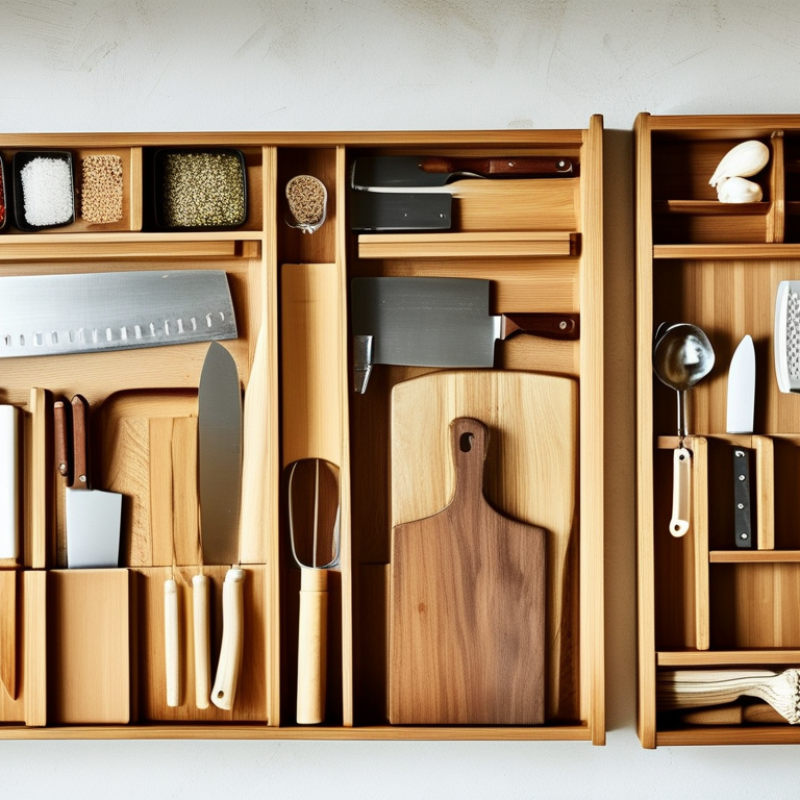
Choosing the Right Type of Cutting Boards for Your Storage Needs
When organizing cutting boards, choosing the right type is crucial.
Plastic cutting boards are lightweight and easy to clean. They resist moisture and are less porous than wood boards.
According to the USDA, plastics can be more hygienic, as they do not absorb liquids, preventing bacteria growth.
However, they can warp over time, especially at high temperatures.
Wooden cutting boards offer durability and aesthetic appeal.
They are less likely to dull knives than their plastic counterparts.
Research by the National Sanitation Foundation shows that wood can be more forgiving.
Wood boards have natural antibacterial properties that help inhibit bacterial growth.
However, they require careful maintenance, including regular oiling to prevent cracking.
Bamboo cutting boards are an eco-friendly alternative. They are generally harder than traditional wood,
offering a different cutting experience. However, they can be abrasive on knife edges and may need replacing sooner than
other materials. Understanding the pros and cons of each material helps tailor your cutting board selection to your
cooking habits and storage solutions.
Assessing Available Space for Cutting Board Organization
Assessing your available space is crucial for effective cutting board organization. Start by evaluating the areas in your kitchen. Look at cabinets, countertops, and drawers. Consider both vertical and horizontal spaces. Make a note of where cutting boards currently reside. This assessment helps you see what works and what doesn’t.
Next, think about your kitchen workflow. Do you need quick access to your cutting boards? If so, consider wall-mounted racks or magnetic strips. A drawer may keep them hidden but can slow you down. Remember, some solutions may not fit perfectly. You might find boards cluttered or stacked awkwardly. Reflect on what layout promotes ease of use.
Lastly, measure your boards. Not all cutting boards are the same size. If you have large boards, they need special attention. Smaller boards may fit in unexpected spots. Check for unused spaces in your kitchen. You might have room for additional storage. Embrace experimentation in finding your ideal cutting board organization. This process may require adjustments over time.
Creative Storage Solutions for Different Cutting Board Sizes
Organizing cutting boards can often feel overwhelming. However, with creative storage solutions, you can effectively manage different sizes and styles.
Start by assessing your collection. Smaller boards can slip into drawer dividers or upright in a magazine holder. This keeps them visible and accessible.
For larger boards, consider a dedicated vertical space. Install wall-mounted racks or pegboards in your kitchen.
It’s a fantastic way to free up countertop space.
Plus, displaying your cutting boards can add an aesthetic touch to your kitchen.
Some people find this method visually appealing, while others may feel it disrupts their decor.
Lastly, consider how often you use each board. Daily-use boards deserve prime real estate, while infrequently used ones can be stored higher up or in the back.
Reflecting on your habits can lead to a more functional and organized kitchen. Remember, it’s okay to tweak your setup until it feels just right.
Finding the perfect organization system is a journey, not a destination.
Labeling and Categorizing Cutting Boards for Easy Access
Cutting boards come in various sizes and materials. Organizing them can be a challenge. Labeling can significantly improve access and efficiency. For example, you might use labels like "Wood," "Plastic," or "Meat Preparation." This way, you can quickly grab the right board for your task.
Consider a dedicated shelf or drawer for storage. Categorizing boards based on use is crucial. A separate compartment for each type, such as large, medium, and small, enhances organization. Use color-coded labels or tags to make identification easier. Clear bin containers can also help keep boards neatly stacked without any risk of slippage.
Sometimes, maintaining an organized system can feel overwhelming. You may find boards mixed up after a busy cooking session. Reflecting on your organization’s effectiveness can lead to improvements. Regularly check your setup. Is it still working for you? Adjustments might be necessary as your cooking habits evolve. Emphasis on user-friendly organization decreases stress, enabling a calmer cooking experience.
Maintaining and Cleaning Cutting Boards for Long-Lasting Use
Cutting boards are essential kitchen tools. Yet, maintaining and cleaning them properly is often overlooked. Research by the USDA shows that improper maintenance can lead to harmful bacteria. Wooden boards may harbor pathogens if not sanitized correctly. A study found that 60% of kitchen cutting boards tested contained coliform bacteria. This highlights the importance of diligent cleaning practices.
To extend the life of your cutting boards, use hot soapy water and a sponge. Scrub the surface vigorously, especially in grooves where food can accumulate. For deeper sanitization, consider a solution of vinegar and water. Allow it to sit for a few minutes before rinsing. Regular treatments with mineral oil can also prevent warping and cracking in wooden boards. A neglected cutting board may develop deep cuts that are hard to clean.
Realistically, even the most diligent cook might forget to clean a board after use. This can lead to cross-contamination. To combat this, make it a habit to clean surfaces immediately after use. Setting reminders can help establish this routine. A well-maintained cutting board not only proves safer but can also serve as a beautiful kitchen decor element. Prioritize their maintenance for safety and aesthetics.
FAQS
: Plastic cutting boards are lightweight, easy to clean, and moisture-resistant. They prevent bacteria growth due to their non-porous nature.
Yes, wooden boards are less likely to dull knives. They also have natural antibacterial properties, making them a durable choice.
Regular oiling is essential for wooden boards. This prevents cracking and maintains their functionality for longer use.
Bamboo cutting boards are made from sustainable materials. They are harder than traditional wood but may require more frequent replacement.
Use drawer dividers for small boards and wall-mounted racks for larger ones. This keeps your kitchen organized and visually appealing.
Use hot soapy water and scrub vigorously. For deeper cleaning, try a vinegar and water solution to sanitize effectively.
Yes, cleaning immediately helps prevent cross-contamination. Setting reminders can help maintain this important habit in the kitchen.
Avoid using abrasive cleaners that can damage the surface. Neglecting regular maintenance can lead to hard-to-clean grooves.
Conclusion
In the quest of how to organize and store multiple cutting boards neatly, it’s essential to begin by choosing the right type of cutting boards that suit your storage needs. Assessing your available space will help you determine the best way to accommodate different sizes of cutting boards, whether they be large wooden boards or smaller plastic ones. Creative storage solutions, such as vertical stands or designated shelves, can maximize space efficiency and keep your kitchen tidy.
Additionally, labeling and categorizing your cutting boards will ensure easy access and help maintain hygiene in food preparation. Regular cleaning and maintenance of your boards are crucial for their longevity, ensuring they remain in good condition for years to come. By following these guidelines, you can achieve an organized and functional kitchen environment that showcases your cutting boards beautifully.

 ProChef Kitchen