Why Does My Cutting Board Slide on the Counter and How to Stop It?

Time:2026-09-01 Author:Mason
0%

Are you tired of your cutting board sliding around while you chop vegetables? You’re not alone. Many home cooks face this frustrating issue in the kitchen. A slippery cutting board can lead to accidents and make food preparation more difficult. Understanding how to stop a cutting board from sliding on the counter is essential for both safety and efficiency.

Several factors contribute to this problem. The type of surface your board is made from, along with the condition of your countertop, plays a significant role. A smooth countertop paired with a non-grippy cutting board is a recipe for disaster. You might think that simply using more pressure will solve the problem, but that often leads to frustration and mishaps.

Exploring practical solutions can improve your cooking experience. Options such as non-slip mats or even simple DIY methods can reduce slipping. Investing in a high-quality cutting board can also make a big difference. With the right approach, you can transform your kitchen and gain confidence while preparing meals. Don’t let a sliding board hold you back; take the first step towards a more stable cooking environment today.
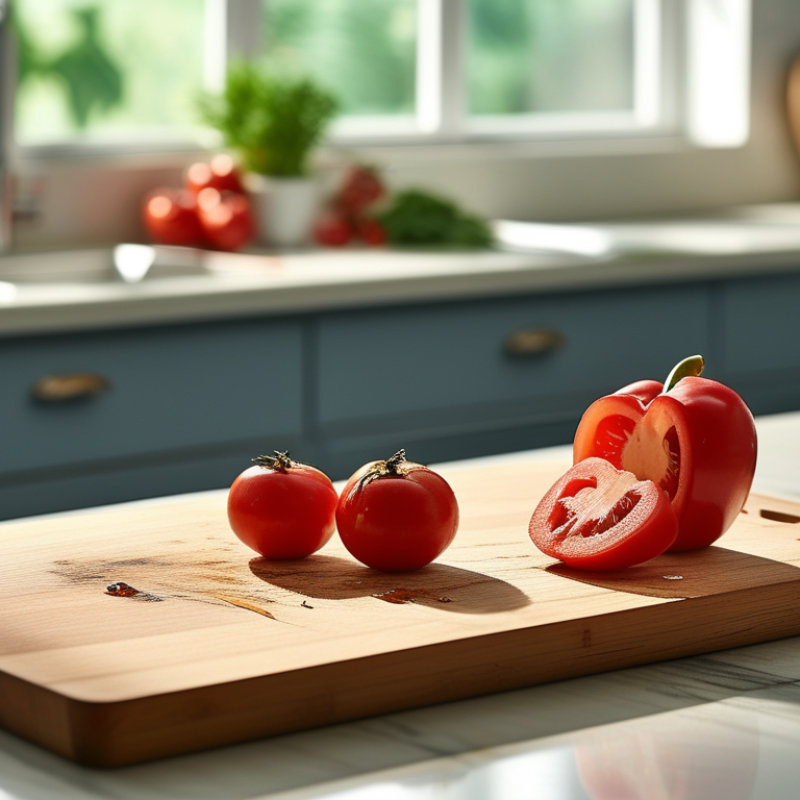
Why Does My Cutting Board Slide on the Counter and How to Stop It?

Understanding the Causes of Cutting Board Slippage on Counters

A sliding cutting board can be frustrating while cooking. Understanding why this happens is essential. Several factors contribute to the slippage of cutting boards. Firstly, smooth countertops create a slippery surface. If the cutting board lacks grip or texture, it may slide around easily. Additionally, moisture on the counter can also make the cutting board unstable.

To address this issue, consider using a damp cloth or paper towel underneath the cutting board. The moisture can create friction, preventing slippage. Alternatively, you could invest in a textured cutting board designed to grip surfaces better. This can enhance stability and improve your chopping experience.

Many users overlook the importance of maintaining a clean surface. Food particles or grease can make a countertop slick. Regularly cleaning your counter and ensuring it’s dry may help reduce sliding. Adjusting your technique can also be beneficial. Placing your non-dominant hand on the board while cutting can provide added stability. Experimenting with these simple solutions can lead to a more enjoyable cooking experience.

Cutting Board Slippage Causes and Solutions

This chart illustrates the impact level of various factors contributing to cutting board slippage on counters. The factors include the material of the surface, the weight of the cutting board, the texture of the cutting board, moisture on the surface, and the size of the cutting board. Understanding these impacts can help identify effective solutions to prevent slippage.

Materials Impact: How Surface Textures Affect Board Stability

When selecting a cutting board, the material and surface texture play crucial roles in stability. Research indicates that non-slip surfaces can enhance grip. For example, a study published by the American Journal of Food Science highlighted that a rough texture can reduce slippage by up to 30%. This is significant when considering safety in the kitchen.

Wood, plastic, and bamboo each have unique characteristics. Wooden boards tend to have a natural grip due to their porous surface. In contrast, plastic boards often feel slick. A smooth finish may look appealing, but it compromises stability. The friction between the board and countertop varies with different surfaces. A counter with a textured finish provides better traction.

Unexpectedly, even minor imperfections on a board's surface can influence stability. Nicks or scratches, while often overlooked, may decrease grip. Regular maintenance is essential for preserving both aesthetics and functionality. A well-maintained board can offer a firmer hold during food preparation. Understanding these materials helps mitigate common problems associated with cutting board slippage.

Comparison of Non-Slip Options: Wedge Feet vs. Silicone Pads

When using a cutting board, sliding can be frustrating and hazardous. Two popular solutions to this problem are wedge feet and silicone pads. Each option has unique benefits that can provide stability while you work in the kitchen.

Wedge feet elevate the cutting board slightly and create friction against the countertop. This feature reduces unwanted movement. They are often adjustable, allowing you to customize the height for your needs. However, they require careful placement. If one wedge slips, the board may still slide. Consider this when making your choice.

Silicone pads offer a different approach. They are sticky and create a solid grip on the counter. This prevents slipping during food preparation. Silicone pads are also easy to install and remove, making them convenient. Although they usually stay in place, dust and grease can diminish their effectiveness over time. Regular cleaning is essential for optimal functionality.

Adding a damp cloth under the cutting board can enhance stability too. This simple trick absorbs some of the movement. If you find that your board still slides after trying these options, reassess the surface it's on. Some countertops may not provide the necessary grip to prevent slipping.

Maintenance Tips to Prevent Cutting Board Movement

Cutting board movement on countertops can be a frustrating issue. Many cooks report that their boards slide, especially during busy meal preparations. According to a survey by the Culinary Institute of America, nearly 70% of chefs experience this problem at least once a week. Understanding how to maintain your cutting board can significantly reduce this inconvenience.

To prevent movement, ensure your cutting board is clean and dry before use. A damp surface beneath the board may lead to slipping. Consider using a damp cloth or rubber mat underneath. This friction can stabilize the board effectively. Also, invest in a heavy, sturdy board. Research shows that heavier boards tend to stay put better than lighter options.

Regular maintenance is key to your cutting board's longevity. Treat your board with food-safe mineral oil every few months. This not only prevents warping but also enhances grip. Remember to wash it with mild soap and avoid soaking. Over time, neglecting these steps can lead to cracks and increased movement. By prioritizing these simple care techniques, you can enjoy a safer, more efficient cooking experience.

Safety Considerations: Reducing Kitchen Accidents from Slipping Boards

A sliding cutting board can be a significant hazard in the kitchen. When your cutting board glides across the counter, it increases the risk of accidents. A sudden slip can lead to cuts or dropped knives. It's essential to address this issue, especially in a busy cooking environment.

One effective way to stop the slipping is to use a damp cloth underneath the board. The added friction helps keep it in place while you chop. Another option is to choose a board with rubber feet or a textured surface. These features provide stability and can enhance safety during meal prep.

However, not every method guarantees complete security. You may find that some solutions work temporarily or only for certain tasks. It's crucial to regularly evaluate the effectiveness of your board's grip. Create a habit of checking its stability before starting any cutting. This simple act can help mitigate risks and ensure a safer cooking experience.

FAQS

: What are wedge feet for cutting boards?

: Wedge feet elevate the board and create friction against the countertop to reduce sliding.

How can I customize wedge feet?

Wedge feet are often adjustable, allowing you to set the height according to your needs.

What’s a drawback of using wedge feet?

They need careful placement, as one slip can still cause the board to slide.

How do silicone pads work?

Silicone pads are sticky and provide a solid grip on the counter, preventing slipping.

Are silicone pads easy to manage?

Yes, silicone pads are simple to install and remove, offering convenience.

What impacts the effectiveness of silicone pads?

Dust and grease can reduce their grip, so regular cleaning is necessary.

Can a damp cloth help with stability?

Yes, placing a damp cloth under the cutting board absorbs movement and enhances stability.

What should I consider if my board still slides?

Reassess the countertop surface, as some materials may not provide enough grip.

Is complete security guaranteed with these methods?

No, some solutions may only work temporarily for specific tasks.

How can I ensure safer cutting?

Regularly check the board's grip and stability before using it to mitigate risks.

Conclusion

Cutting board slippage on countertops is a common issue that can affect cooking efficiency and safety. Understanding the causes of this problem is essential for effective solutions. Factors such as the material and texture of both the cutting board and the countertop significantly impact stability. For example, a smooth surface can lead to more sliding compared to a textured one. To address how to stop a cutting board from sliding on the counter, options like using wedge feet or silicone pads can provide effective non-slip solutions.

Regular maintenance is also crucial in preventing cutting board movement. Ensuring that both the cutting board and the countertop are clean and free of moisture can greatly enhance grip. Additionally, considering safety measures to reduce kitchen accidents from slipping boards helps create a safer cooking environment. By implementing these strategies and understanding the underlying causes, you can maintain control over your cutting board during meal preparation.

Mason

Mason

Mason is a seasoned marketing professional with a deep expertise in the company's offerings and a passion for driving brand awareness. With a strong background in digital marketing strategies, he has an innate ability to connect with diverse audiences and effectively communicate product benefits.......