Choosing the right cutting board is crucial for food safety. Many products claim to be food-grade certified, but how can you be sure? Understanding how to tell if a cutting board is food-grade certified is essential for anyone who cooks.
Look for certification seals, such as those from the FDA or NSF, on the board. These seals indicate that the materials meet safety standards. Visual inspection helps too. A well-made cutting board should have a smooth, non-porous surface. Cracks or discoloration raise red flags.
Consider the materials used as well. Wood and plastic are common choices. Each has its pros and cons, but not all varieties are safe. Researching the brand's reputation is also wise. Some manufacturers specialize in high-quality, certified products. While it may take time to verify, being diligent helps ensure food safety. Investing in a food-grade cutting board is a small step toward a healthier kitchen.
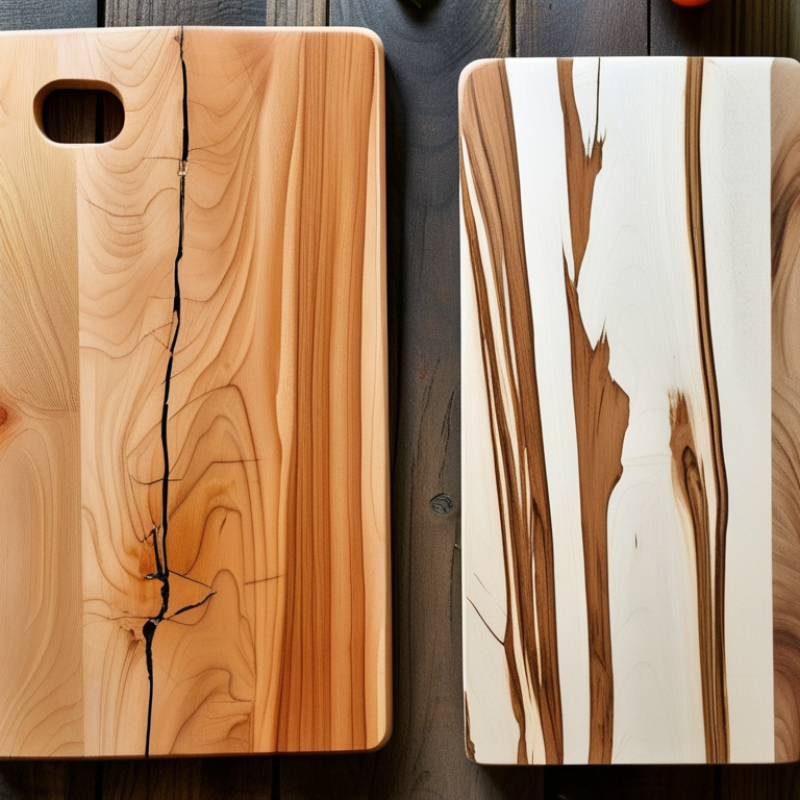
When purchasing a cutting board, understanding what "food grade certified" means is essential. This certification indicates that the materials used in the cutting board are safe for direct contact with food. The board undergoes rigorous testing to ensure it meets specific safety standards. These standards guard against harmful chemicals that can leach into your food.
Food grade certified cutting boards are typically made from non-toxic materials. Common options include natural wood, bamboo, or certain types of plastic. Each material has its unique benefits and drawbacks. For instance, wood boards tend to harbor fewer bacteria but can be prone to scratches. In contrast, plastic boards are easy to clean but may not be as durable.
To ensure you choose wisely, look for certification labels. These labels provide assurance that the product has passed safety regulations. Some manufacturers may offer additional information. It’s always wise to do some research and ask questions. This careful approach can help you avoid products that may not live up to their claims. Always prioritize safety when it comes to kitchenware.
When choosing a cutting board, it's essential to consider the materials used. Certain materials are more suitable for food preparation than others. Wood, plastic, and bamboo are the most common choices. Research indicates that high-density polyethylene (HDPE) is one of the safest options. According to the USDA, HDPE cutting boards are less likely to harbor bacteria compared to wood boards.
Wood boards, like maple or oak, have natural antimicrobial properties. A study published by Food Protection Trends highlighted that some woods kill bacteria on contact. However, they require regular maintenance to avoid warping or cracking. Bamboo is sustainable and lightweight but can be porous, which might lead to bacterial retention if not cleaned properly.
Tips: Always check for certifications. Look for boards labeled as food grade, which means they meet safety standards set by organizations like the FDA. If a board feels too smooth, that could indicate it is coated with chemicals—not ideal for food use. Regular inspection for scratches or deep grooves is vital. These imperfections can trap food particles and bacteria. Even the best materials can falter without proper care.
When selecting kitchenware, it's crucial to understand food safety standards. The FDA and NSF set guidelines that help consumers identify safe products. For example, cutting boards often escape scrutiny, yet they can harbor bacteria if not made from certified materials.
The FDA classifies food-safe materials, ensuring they won't leach harmful substances into food. NSF certification focuses on hygiene, durability, and cleanliness. Studies suggest that plastic cutting boards are less porous than wood, making them easier to sanitize. However, wood boards possess natural antimicrobial properties, which may reduce bacterial growth.
Research indicates that over 75% of consumers do not check for these certifications. As a result, many use boards that may compromise food safety. This discrepancy highlights the need for better awareness. Always look for seals of approval on products. Understanding these standards is a crucial step toward safer food preparation practices in your kitchen.
When selecting a cutting board, understanding certification marks is crucial for health safety. Food grade certified cutting boards meet strict standards set by organizations like the FDA or NSF International. Look for specific symbols during your search.
Many cutting boards display marks such as the NSF seal, indicating material safety for food contact. The FDA logo may also appear, signifying compliance with federal safety standards. These certifications help consumers trust their purchases. A recent report from the Food Quality Assurance magazine highlighted that nearly 30% of cutting boards sold lack proper certification.
Tips for ensuring your cutting board is food grade: Always check for visible marking. If unsure, research the material used. While plastic boards are often preferred for hygiene, wood boards can be safe if treated properly. Remember, not all wood types are equal in quality. Some might absorb bacteria.
Pay attention to materials. Bamboo, for instance, is often marketed as eco-friendly but may not always be food safe. Inspect your cutting board for signs of wear or deep grooves where bacteria can hide. Regular maintenance ensures longevity, but it doesn't guarantee safety if the board isn’t certified. Always be proactive in your kitchen hygiene.
Many people believe that all cutting boards are created equal. Yet, misconceptions about non-certified cutting board materials exist. Some assume that wood and bamboo boards harbor more bacteria than plastic. In reality, studies show that wood has natural antimicrobial properties. According to the Journal of Food Protection, wood surfaces can be self-disinfecting. They can absorb moisture and release it, creating an unfavorable environment for bacteria.
Another myth is that non-certified boards are always unsafe. However, certification often relates to manufacturing processes rather than the inherent safety of the materials. A report from the FDA reveals that many non-certified materials are still safe for food contact, provided they are cleaned properly. Regular maintenance and sanitation can significantly reduce any risks linked to non-certified surfaces. Using hot, soapy water or a vinegar solution can effectively clean cutting boards and keep them in good condition.
Consumers often overlook the importance of understanding certifications. A certification may ensure product safety, but it does not guarantee quality in everyday use. Many users may find their non-certified boards still perform adequately. Their usage experience can sometimes challenge the presumed standards of safety. Judging boards solely on certification overlooks important factors like proper hygiene and regular care.
: It means the board materials are safe for direct food contact and meet safety standards.
Look for certification labels like NSF or FDA to confirm safety standards have been met.
Natural wood, bamboo, and certain plastics are typical options, each with pros and cons.
Many cutting boards lack proper certification, which can compromise food safety during preparation.
Plastic boards are generally easier to clean, but wood has natural antimicrobial properties.
Yes, if they aren’t made from certified materials or show signs of wear, bacteria can grow.
Look for seals like the NSF or FDA logos to ensure compliance with safety regulations.
Inspect it regularly, as worn areas can harbor bacteria, compromising food safety.
Not necessarily; while eco-friendly, some bamboo boards may not meet food safety standards.
Regular maintenance helps, but certification is essential for ensuring long-term safety.
Determining how to tell if a cutting board is food-grade certified is essential for ensuring food safety in your kitchen. Food-grade certification indicates that a cutting board meets specific standards for materials and safety set by organizations like the FDA and NSF. These standards help ensure that the materials used do not leach harmful substances into food.
Key materials commonly found in food-grade cutting boards include hardwood, bamboo, and certain plastics, all of which resist bacteria and are easy to clean. Additionally, recognizing certification marks on cutting boards is important, as these symbols provide assurance of the board’s safety and quality. Despite common misconceptions, even non-certified materials may not be safe for food handling; hence, it’s vital to invest in certified options for optimal kitchen sanitation and health.

ProChef Kitchen