How to Choose Synthetic Boards for Professional Kitchens?

Time:2026-10-01 Author:Henry
0%

Choosing synthetic boards for a professional kitchen is not simply a matter of selecting the cheapest plastic surface. The board must support safe preparation, efficient movement, and consistent cleaning during demanding service. In working kitchens, cooks notice small details quickly. A board that slides beside a wet sink can slow down an entire station. A deeply scored surface can retain food residue and become difficult to inspect. These practical issues explain why are professional chefs moving to synthetic boards, especially high-density polyethylene and other food-contact materials.

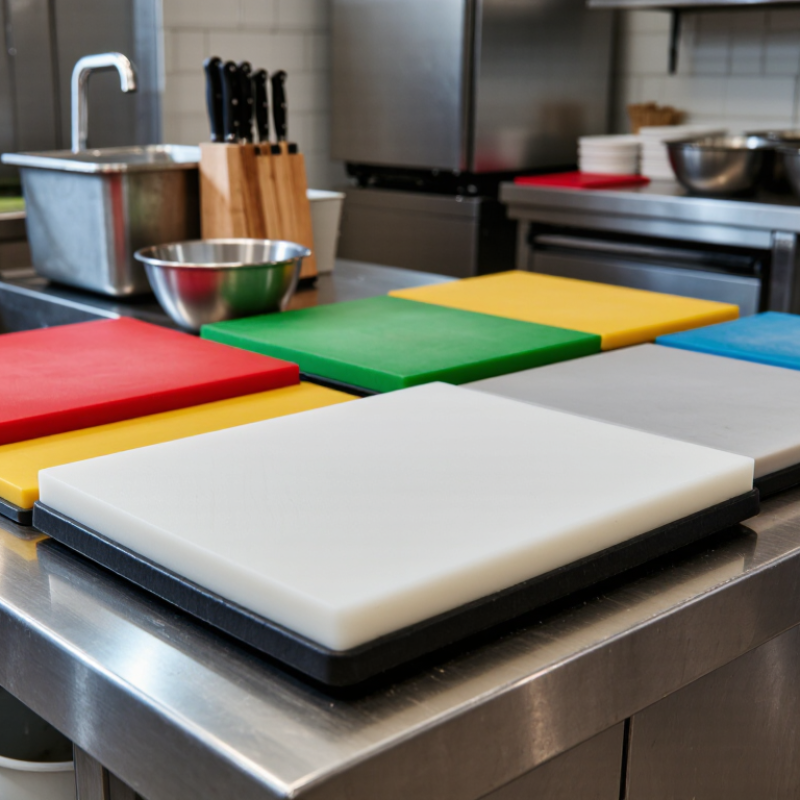
The right choice depends on the kitchen’s menu, workload, and cleaning system. A chef preparing delicate fish may prefer a softer surface that protects knife edges. A butcher’s station may need a thicker, heavier board with stronger impact resistance. Color coding can help separate raw proteins, produce, and ready-to-eat foods, but labels must match the kitchen’s documented procedures. Size matters too. The board should leave enough room for safe cutting without blocking nearby equipment.

Look for a stable base, smooth edges, clear manufacturer guidance, and compatibility with the site’s dishwasher or sanitation process. Verify food-contact suitability through credible product documentation and local food-safety requirements. No board is perfect. Softer synthetic surfaces may scar sooner, while harder ones can feel less comfortable during long prep shifts. That trade-off deserves testing, not assumption. A practical trial can reveal whether the board stays stable, cleans easily, and remains comfortable after several hours of real kitchen work. Replacement planning also matters, because worn boards should not remain in service simply to reduce short-term costs.
How to Choose Synthetic Boards for Professional Kitchens?

Define Synthetic Board Types and Their Kitchen Applications

Synthetic boards are engineered panels made from polymers or resin-based materials rather than natural timber. In professional kitchens, common types include high-density polyethylene, polypropylene, and phenolic resin boards. Each type behaves differently under heat, moisture, and repeated cleaning.

High-density polyethylene boards are widely used for chopping vegetables, meat, and seafood. Their non-porous surfaces resist water absorption and are relatively gentle on knife edges. Polypropylene boards are lighter and often recover well from frequent handling. They suit color-coded preparation stations and mobile work areas. Phenolic resin boards are harder and more heat-resistant, making them useful for shelves, cabinet panels, and selected work surfaces. However, excessive heat can still damage some resin products.

Application should guide the choice. A cutting board needs stable footing, a suitable thickness, and a surface that can be inspected easily. A wall panel needs moisture resistance and simple cleaning. A shelf must support heavy containers without bending. Check the manufacturer’s food-contact documentation and cleaning limits before installation. Local requirements may differ.

Appearance can mislead. A smooth board is not automatically hygienic. Deep knife scars, warped edges, and trapped residue still create maintenance problems. Thicker material is not always better, because it may become heavy and difficult to sanitize beneath. I would also reconsider using one board for every task. Separate boards reduce flavor transfer and make inspection easier, although staff discipline remains essential.

How to Choose Synthetic Boards for Professional Kitchens?

This chart compares common synthetic board types by practical suitability for key professional-kitchen applications. Scores from 1 to 5 reflect typical material characteristics such as moisture resistance, hygiene, impact resistance, heat tolerance, and ease of cleaning.

Assess Hygiene, Food Safety, and Bacterial Resistance

How to Choose Synthetic Boards for Professional Kitchens?

Assess Hygiene, Food Safety, and Bacterial Resistance

In a busy kitchen, hygiene begins before the first cut. Choose a synthetic board with a smooth, closed surface and consistent density. Visible pores, deep grooves, or rough edges can trap meat juices and vegetable debris. The surface should tolerate suitable detergents, hot-water washing, and repeated drying without warping. Check the technical sheet. Ask for food-contact compliance documents and independent test results.

Bacterial resistance is not a permanent shield. Even a tested material can become unsafe after knife scars, poor cleaning, or prolonged damp storage. Look for testing that explains the organisms, contact time, temperature, and cleaning conditions. Vague claims deserve caution.

Separate boards by task, especially for raw poultry, seafood, cooked foods, and produce. Color coding helps, but staff habits matter more. A clear storage rack keeps clean boards away from splash zones and dirty handles.

Food safety also depends on inspection. Hold the board under bright light each day. Replace it when cuts remain dark, edges lift, or washing no longer removes odor.

I once underestimated small scratches because the board looked clean from a distance. That was a useful warning.

Cleaning records, staff training, and measured sanitizer concentration provide stronger control than appearance alone. Still, no material removes the need for disciplined handling.

Compare Durability, Heat Tolerance, and Moisture Protection

How to Choose Synthetic Boards for Professional Kitchens?

A synthetic board must survive repeated chopping, scraping, washing, and sanitizing. In busy kitchens, knife marks appear quickly on softer surfaces. Choose a dense board with enough thickness to resist warping and deep grooves. I have found that stable boards feel safer because they stay flatter under constant use. However, excessive hardness can make knives lose their edge faster. That trade-off deserves attention.

Heat tolerance is often misunderstood. Most synthetic boards handle warm food, but they are not automatically heatproof. A hot pan can soften, stain, or deform the surface within seconds. Check the manufacturer’s temperature range before placing cooked food on the board. Keep a separate heat-resistant pad nearby. It is a small habit. A useful test is observing the board after repeated exposure, not trusting one successful trial.

Moisture protection depends on more than a nonporous surface. Inspect the edges, corners, and any drainage grooves, where water can remain after washing. A board that dries quickly helps reduce odors and surface deterioration. Avoid leaving it flat on a wet counter overnight. I once overlooked poor airflow beneath a thick board, and the underside developed discoloration. That mistake changed my cleaning routine. Select a board that is easy to lift, rinse, sanitize, and dry completely during a crowded service.

Match Board Features to Professional Kitchen Tasks

How to Choose Synthetic Boards for Professional Kitchens?

A professional kitchen needs boards matched to specific tasks, not one board for everything. For raw meat and seafood, choose a nonporous synthetic board with a stable, slip-resistant surface. It should resist deep cuts, absorb little moisture, and tolerate frequent cleaning. A thicker board usually stays flatter during heavy chopping. However, excessive thickness can make lifting and storage awkward.

Use separate, clearly colored boards for vegetables, cooked foods, and allergen-sensitive preparation. This supports safer workflow and makes staff checks easier during busy service. For pastry work, select a smooth board with enough space for rolling dough. A slightly flexible board may help with transfer, but it can shift under pressure. I have found that grip matters more than appearance when hands are wet. Still, staff habits can defeat a perfect board system.

Tips: Match the board to the knife, task, and cleaning routine. Check its surface weekly for deep grooves, warping, or lingering odors. Replace damaged boards promptly. Do not rely only on color coding; label storage areas when possible. Keep heavy chopping boards near the main preparation bench, while lighter boards can serve quick garnish tasks. A board advertised as dishwasher-safe may still warp if the machine cycle is too hot. Test the cleaning process in your own kitchen before buying in bulk.

Evaluate Maintenance Needs, Costs, and Long-Term Value

How to Choose Synthetic Boards for Professional Kitchens?

Synthetic boards can reduce daily maintenance, but the cheapest option may create higher costs later. In a busy kitchen, inspect the board after every service. Deep knife grooves can trap food residue and moisture. Replace any board that remains stained, warped, cracked, or difficult to sanitize.

Choose a material designed for repeated washing and food contact. Check its temperature limits, dishwasher compatibility, and resistance to oils, acids, and commercial detergents. A board that tolerates hot water may still deform near a grill or steam line. Keep separate boards for raw proteins, produce, and ready-to-eat foods. Color coding helps, but staff training matters more.

Calculate the full cost, not only the purchase price. Include cleaning labor, storage space, replacement frequency, and downtime during sanitation. A durable board may cost more initially but support steadier operations. However, durability claims need practical evidence. Ask for care instructions, test data, and expected service life from a reliable supplier. I once favored a thick board because it looked indestructible, yet its weight slowed handling and increased sink-side strain. That decision needed more thought.

Review boards every few months. Record warping, cutting damage, and replacement dates. Small records reveal whether a higher-priced option truly delivers value. Scrubbing harder is not a maintenance strategy. Proper use is.

FAQS

What makes a synthetic board durable in a professional kitchen?

Choose a dense, thick board that resists warping and deep knife grooves. It should survive chopping, scraping, washing, and sanitizing. Excessive hardness may dull knives faster. That trade-off matters.

Are synthetic boards automatically heatproof?

No. Warm food is usually acceptable, but hot pans can soften, stain, or deform the surface. Check the stated temperature range. Keep a heat-resistant pad nearby. One test proves little.

How can moisture damage be reduced?

Inspect edges, corners, and drainage grooves where water may remain. Lift the board after washing and dry both sides completely. Avoid leaving it flat on a wet counter overnight. Airflow helps.

When should a synthetic board be replaced?

Replace it when deep grooves trap residue, or when it becomes stained, warped, cracked, or difficult to sanitize. Inspect the board after every service. Waiting too long can create avoidable cleaning problems.

What maintenance details should buyers check?

Confirm dishwasher compatibility, temperature limits, and resistance to oils, acids, and commercial detergents. A board may tolerate hot water but deform beside steam or intense heat. Read the care instructions carefully.

Should kitchens use separate boards for different foods?

Yes. Use separate boards for raw proteins, produce, and ready-to-eat foods. Color coding can support organization. Training matters more than colors alone. Mistakes still happen.

How should the total cost of a board be evaluated?

Include the purchase price, cleaning labor, storage space, replacement frequency, and sanitation downtime. A costly board may support steadier work. However, durability claims need test data and practical evidence.

Can a thicker board always improve kitchen performance?

Not necessarily. A thick board may resist warping but feel heavy during washing and storage. I once preferred a seemingly indestructible board, yet sink-side handling became tiring. The decision needed more thought.

Conclusion

Choosing synthetic boards for a professional kitchen begins with understanding their main types, such as solid polymer, composite, and layered boards, and how each suits tasks like chopping, slicing, portioning, or pastry preparation. Key selection factors include hygiene, food safety, and resistance to bacterial growth, especially in busy environments where boards are used frequently. Nonporous surfaces are often easier to clean and less likely to absorb liquids, odors, or food residue.

When comparing options, consider durability, knife friendliness, heat tolerance, moisture protection, and resistance to warping or cracking. These qualities help match a board to specific kitchen demands, from raw ingredient preparation to high-volume service. Maintenance requirements, cleaning methods, replacement frequency, and total cost should also be evaluated to determine long-term value. Ultimately, why are professional chefs moving to synthetic boards? They offer a practical balance of sanitation, consistent performance, durability, and easy upkeep, helping kitchens maintain reliable workflows without unnecessary maintenance.

Henry

Henry

Henry is a dedicated marketing professional with a profound expertise in the company's offerings. With years of experience in the industry, he possesses an impressive understanding of the market dynamics and consumer behaviors that drive success. Henry is committed to sharing his insights through......