When preparing food for babies, the choice of materials is crucial. Parents often ask, "what is the best material for a baby food prep board?" This decision can impact safety and nutrition. The right material ensures a healthy dining experience for your little one.
Wood, plastic, and bamboo are common materials. Each has its pros and cons. Wooden boards look natural and are gentle on knives. However, they can harbor bacteria if not maintained correctly. Plastic boards are easy to clean, but some may retain odors. Bamboo is eco-friendly and durable, yet it can be harder to find.
In the quest for the ideal baby food prep board, consider the practicality of each option. Assess your kitchen habits and cleaning routines. Reflect on the potential trade-offs. A material that suits one family might not work for another. Aim for a balance between safety, ease of use, and environmental impact. Ultimately, the decision should reflect your values and preferences as a caregiver.
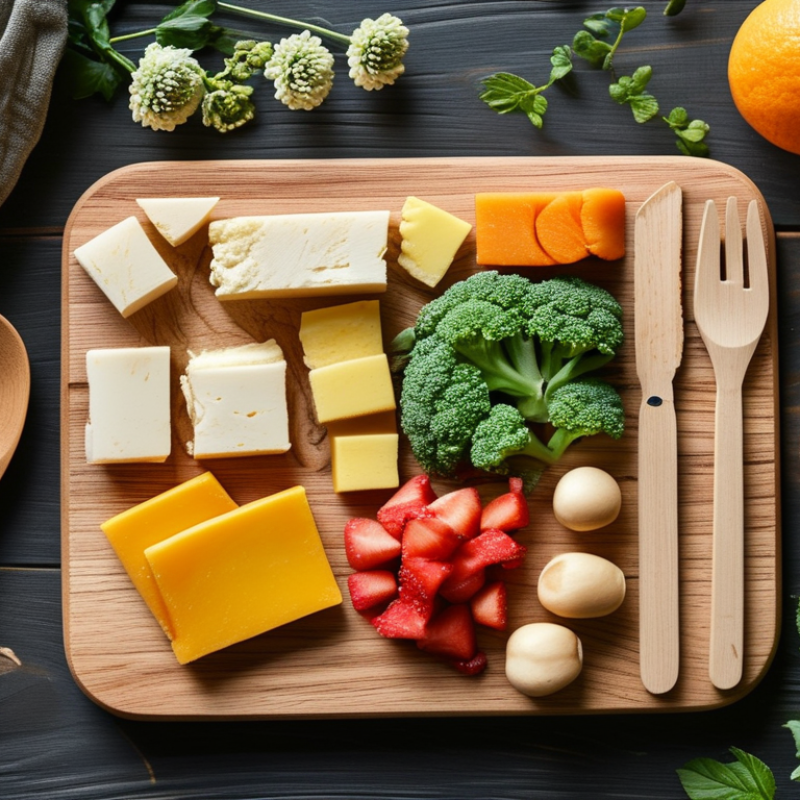
Factors to Consider When Choosing a Baby Food Prep Board Material
When selecting a material for a baby food prep board, several factors deserve consideration. Safety is paramount, as babies are vulnerable to toxins found in some materials. According to the American Academy of Pediatrics, using food-safe materials reduces the risk of chemicals leaching into the food. Opt for BPA-free plastics, silicone, or wood that is properly sealed and untreated.
Durability is another key aspect. Baby food prep boards undergo frequent cleaning and potential wear from utensils. A 2022 industry report highlighted that hardwood boards tend to last longer and are less prone to harboring bacteria compared to softer materials. However, proper maintenance is essential, as wood can absorb moisture and develop cracks if not cared for.
Consider ease of cleaning as well. Non-porous materials like silicone and certain plastics are easier to sanitize. They resist odors and stains, making them practical choices. Yet, remember that regular checks for scratches and damage are crucial, as any crevices can become breeding grounds for bacteria.
Choosing the right material involves weighing safety, durability, and maintenance. Each option has its pros and cons, and it’s essential to reflect on what fits your lifestyle best.
Common Materials Used for Baby Food Prep Boards
When choosing a baby food prep board, consider the materials commonly used. Wood, plastic, and silicone are popular choices. Each material has its pros and cons.
Wooden boards are sturdy and offer a traditional feel. They can withstand the wear and tear of daily use. However, they may absorb odors and colors from food. Regular maintenance is needed to keep them clean. Look for hardwood options, as they tend to be more durable.
Plastic boards are lightweight and easy to clean. They often come in bright colors, making them visually appealing. Yet, they can scratch easily, which may harbor bacteria. Opt for BPA-free plastic to ensure safety.
Silicone boards are flexible and non-slip, making them ideal for chopping. They can be folded for easy food transfer. However, they can be more expensive than other materials. Regularly check for any wear or damage to ensure they remain safe for use.
The choice of material can influence your food prep experience. Prioritize safety and ease of cleaning. Don't hesitate to experiment with different boards until you find the best fit for your needs.
Advantages and Disadvantages of Each Material Type
When selecting a material for a baby food prep board, it’s essential to consider both its advantages and disadvantages. Wooden boards are popular due to their natural, non-toxic properties. They have a warm, inviting look and can be gentle on knives, preserving their sharpness. However, wood can harbor bacteria if not properly cleaned. Frequent oiling is necessary to maintain the surface, which may require additional effort.
Plastic boards are lightweight and easy to sanitize. They often come in vibrant colors, appealing to parents. However, over time, they can develop deep cuts, which can trap food particles and bacteria. While they are dishwasher safe, high heat can warp them. It's crucial to replace plastic boards regularly to avoid contamination risks.
Glass boards are easy to clean and non-porous, making them highly sanitary. They do not absorb odors or stains. Yet, glass can be heavy and prone to breaking. This material might also damage knife blades more quickly than wood or plastic. It's important to weigh these factors when choosing a prep board that meets your needs. Each material has its pros and cons, and personal circumstances often guide the best choice.
Material Comparison for Baby Food Prep Boards
Safety Standards and Regulations for Baby Food Prep Boards
When selecting a baby food prep board, safety standards are crucial. The materials used should be non-toxic and free from harmful chemicals. Parents should look for boards made from food-grade plastic or bamboo. These materials are known for their durability and ease of cleaning. However, not all products meet the same safety standards. It is essential for parents to check for regulatory compliance.
Regulations often require that baby food prep boards be BPA-free. BPA can interfere with hormonal development in babies. Moreover, boards should not have sharp edges. This feature minimizes the risk of cuts during meal prep. Parents should also consider how easily the board can be cleaned. A non-porous surface prevents bacteria from harboring.
Some boards might scratch or dent easily, leading to potential safety hazards. Parents should reflect on their choices. Is the material truly safe over time? Are there alternatives that offer better protection? Asking these questions can guide informed decisions.
What is the Best Material for a Baby Food Prep Board? - Safety Standards and Regulations for Baby Food Prep Boards
| Material |
Safety Rating |
Durability |
Ease of Cleaning |
BPA-Free |
| Bamboo |
Good |
High |
Moderate |
Yes |
| Plastic |
Moderate |
Low |
Easy |
Depends on type |
| Silicone |
Excellent |
Moderate |
Very Easy |
Yes |
| Glass |
Excellent |
High |
Easy |
Yes |
Tips for Maintaining and Cleaning Your Baby Food Prep Board
Maintaining and cleaning your baby food prep board is crucial for ensuring the safety and health of your little one. Studies show that nearly 80% of kitchen-related illnesses stem from improper food handling. Regular cleaning can drastically reduce this risk. Use a mild detergent and warm water to wash the board after each use. This reduces the likelihood of harmful bacteria lingering on food preparation surfaces.
Sanitizing is as important as cleaning. After washing, consider using a mixture of one tablespoon of unscented liquid chlorine bleach in one gallon of water. This solution can effectively eliminate bacteria. Let the solution sit for a few minutes before rinsing and drying the board thoroughly. According to the U.S. Centers for Disease Control and Prevention, proper sanitization can reduce foodborne illness rates by over 40%.
Wood and plastic boards each require unique care. Wood boards can warp if soaked, while plastic ones may scratch easily. If you're using a wood board, regularly treat it with food-safe mineral oil to maintain its integrity. On the other hand, if using plastic, check for deep scratches, as they can harbor bacteria. Regular inspections are necessary to determine when a board needs replacing. Balancing upkeep with usage will prolong the life of your prep board and enhance food safety.
FAQS
: Popular materials include wood, plastic, and silicone. Each has benefits and drawbacks.
Wooden boards are sturdy and traditional. They may absorb food odors, needing regular maintenance.
Plastic boards are lightweight and easy to clean. However, they can scratch easily, posing potential health risks.
Silicone boards are flexible and safe for chopping. They can be folded for easier food transfer.
Safety standards ensure that materials are non-toxic and free of harmful chemicals. This is crucial for baby health.
Clean with mild detergent and warm water after each use. This reduces bacteria and maintains hygiene.
Mix one tablespoon of bleach with a gallon of water. Let it sit, then rinse and dry thoroughly.
Avoid soaking wooden boards. Treat them regularly with food-safe mineral oil to prevent warping.
Check for deep scratches. They can harbor bacteria, making the board unsafe for future use.
Regular inspections and proper maintenance are crucial. Balance use and upkeep to enhance food safety.
Conclusion
When considering "what is the best material for a baby food prep board," several factors come into play. Key considerations include safety, durability, ease of cleaning, and the ability to resist bacteria. Common materials used for baby food prep boards include plastic, bamboo, and wood, each presenting its own advantages and disadvantages. For instance, while plastic boards are lightweight and easy to sanitize, wooden boards offer natural antibacterial properties but may require more maintenance.
Safety standards and regulations are crucial, ensuring that any material used is non-toxic and free from harmful chemicals. Regular cleaning and proper maintenance are also essential to keep the board safe for food preparation. By weighing these aspects, parents can make informed decisions that prioritize their baby's health and safety while preparing nutritious meals.

 ProChef Kitchen