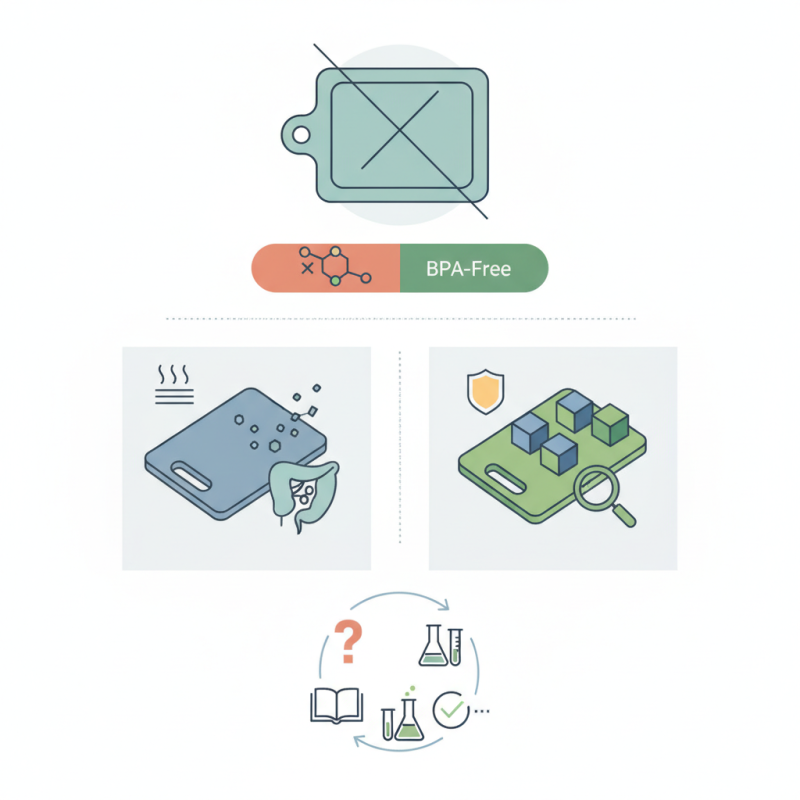
When it comes to kitchen safety, the materials we use matter greatly. Many people ask, "are BPA-free plastic cutting boards actually safe?" Understanding this question requires a closer look at the chemistry behind BPA. Bisphenol A, or BPA, has been linked to health issues, leading to increased demand for BPA-free products. However, the absence of BPA does not automatically ensure safety.
Experts suggest that while BPA-free boards do reduce certain risks, they may still harbor other chemicals. High temperatures or harsh detergents can cause some plastics to leach harmful substances. Therefore, the safety of these cutting boards can vary widely depending on their quality and the materials used.
Consumers should consider what these boards are made of. It's essential to know that not all BPA-free plastics are created equal. Some may be more durable and less prone to leaching than others. As we navigate this tricky landscape, staying informed and critical about our choices can lead to safer kitchen practices. In the end, while BPA-free boards are a step forward, more research is needed to assure complete safety.
Understanding BPA and Its Risks in Plastics
BPA, or bisphenol A, is a chemical commonly found in plastics. It has been linked to various health risks, including hormonal disruptions and potential links to certain cancers. This has raised concerns over its presence in kitchen items, particularly cutting boards. BPA can leach into food, especially when the plastic is heated or scratched. This has led to a push for BPA-free alternatives.
BPA-free plastics are marketed as safer options. However, consumers should be aware that these alternatives may still pose risks. Some substitutes may contain other harmful chemicals that are not thoroughly studied. The term "BPA-free" does not guarantee safety. It simply indicates that BPA is not included. Research continues to evolve, highlighting the importance of scrutinizing materials used in food preparation.
When choosing a cutting board, consider materials beyond plastics. Wood and bamboo are excellent choices, as they are naturally antibacterial and less likely to absorb harmful chemicals. Still, they also require proper care to avoid bacterial growth. Understand that no material is entirely without risk. A critical approach to kitchenware can lead to healthier choices.
BPA Free Plastic Cutting Boards Safety Analysis
This chart illustrates the comparative safety levels of BPA free plastic cutting boards versus those that contain BPA. A significant majority rated BPA free boards as safer, indicating a lower potential risk associated with BPA exposure.
The Evolution of BPA-Free Plastics and Cutting Boards
BPA, or bisphenol A, has been a controversial topic in recent years. Many people have switched to BPA-free plastic products, including cutting boards, to avoid potential health risks. The evolution of BPA-free plastics has made significant strides. Manufacturers now use alternative chemicals that offer safety without compromising performance.
Today’s BPA-free cutting boards are made from various materials, including polyethylene and polypropylene. These substances do not leach harmful chemicals during food preparation. However, it’s essential to recognize that not all BPA-free plastics are created equal. Some might still contain other harmful compounds. Consumers should be cautious and select cutting boards with clear safety certifications.
Despite these advancements, some still question the overall safety of plastic cutting boards. Concerns remain about scratches and grooves that can harbor bacteria. Proper cleaning and maintenance are crucial for ensuring hygiene. While BPA-free options reduce chemical exposure, awareness is key. Regularly inspect cutting boards for wear and replace them when necessary to avoid potential hazards.
Why Are BPA Free Plastic Cutting Boards Actually Safe? - The Evolution of BPA-Free Plastics and Cutting Boards
| Material |
BPA-Free |
Durability |
Ease of Cleaning |
Safety Rating |
| Polypropylene |
Yes |
High |
Easy |
A |
| High-Density Polyethylene (HDPE) |
Yes |
Medium |
Very Easy |
A+ |
| Polypropylene TPR |
Yes |
High |
Easy |
A |
| Polycarbonate |
Yes |
High |
Moderate |
B |
| Bamboo Composite |
Yes |
Medium |
Easy |
A |
How BPA-Free Cutting Boards Are Made and Tested for Safety
BPA-free plastic cutting boards are becoming increasingly popular due to safety concerns surrounding traditional materials. The manufacturing process of these cutting boards is crucial. They are made from alternative plastics, like polyethylene or polypropylene, which do not contain BPA. These materials undergo rigorous safety testing to ensure they are free from harmful chemicals.
During testing, cutting boards are evaluated for leaching, bacteria resistance, and durability. Independent labs analyze how the material reacts with various food types. In some cases, tests reveal minor imperfections in the safety of the material, prompting manufacturers to refine their processes. It highlights the importance of continuous improvement in plastic manufacturing.
Tips: Always wash your cutting board after each use. This practice prevents cross-contamination. Consider using designated boards for raw meats and vegetables. Look for boards with certifications indicating safety testing, even for BPA-free products. Small steps ensure food safety and promote better kitchen hygiene. Remember, not all BPA-free plastics are created equal.
Comparing BPA-Free Plastics to Other Materials in Kitchenware
When comparing BPA-free plastics to traditional materials like wood or glass, several factors come into play. BPA-free plastics are designed to eliminate the risks associated with Bisphenol A, a harmful chemical found in some plastics. This makes them a step forward in kitchen safety. However, not all plastic materials are created equal. There are still concerns about the durability and longevity of these plastics over time.
Wood cutting boards have their advantages too. They are naturally antimicrobial, which can reduce the risk of bacteria. However, they require regular maintenance and can warp or crack. Glass cutting boards are non-porous and easy to clean. But they can chip or shatter, posing safety hazards.
The choice ultimately depends on individual needs and preferences. BPA-free plastics offer a safe option, yet users must evaluate the trade-offs between convenience, safety, and sustainability. Understanding these dynamics helps in making informed decisions.
Consumer Confidence: Why BPA-Free Is No Longer Just a Trend
Consumer confidence in BPA-free products is climbing, but many still question their safety. BPA, or bisphenol A, is a chemical linked to health risks. As regulations tighten, manufacturers have turned to BPA-free alternatives. However, not all plastic cutting boards offer the same level of safety. Some products still contain harmful substances that may leach into food. This creates a need for consumers to stay informed and scrutinize materials more closely.
Education on safe materials can help consumers make better choices. Look for boards made from FDA-approved materials. Understand the different types of plastics used in cutting boards. Each type has unique properties that affect safety and durability. Scrutinizing labeling is crucial. Confusion surrounds terminology like "BPA-free." Not every BPA-free product guarantees safety from all harmful chemicals.
While the trend toward BPA-free products is encouraging, skepticism remains. Consumers must evaluate their options carefully. An informed consumer is an empowered consumer. The journey toward safer kitchen tools is ongoing. Scrutiny and research are integral in building trust in BPA-free products. As we adapt, we can prioritize safety without compromising on quality.
FAQS
-free cutting boards made from?
They undergo rigorous testing for leaching, bacteria resistance, and durability at independent labs.
No, not all BPA-free plastics are created equal. Some may still contain harmful substances.
Wood boards need regular maintenance. They can warp or crack without proper care.
Washing prevents cross-contamination, reducing the risk of foodborne illnesses in the kitchen.
Yes, glass boards can chip or shatter, which creates potential safety hazards for users.
Labels may be misleading. Scrutinizing them helps ensure safety and informed choices.
Continuous scrutiny and research are essential. Staying informed helps consumers evaluate their options effectively.
Consider convenience, safety, and sustainability when comparing materials for cutting boards.
While BPA-free trends are positive, skepticism remains. Consumers need to evaluate options carefully for true safety.
Conclusion
In recent years, the safety of kitchenware has come into focus, particularly regarding the use of BPA, a chemical commonly found in certain plastics. The article titled "Why Are BPA Free Plastic Cutting Boards Actually Safe?" delves into the risks associated with BPA and discusses the evolution of BPA-free plastics, especially in cutting boards. It outlines the manufacturing process and safety testing for BPA-free cutting boards, highlighting how advancements in technology ensure their reliability.
Additionally, the article compares BPA-free plastics to other materials commonly used in kitchenware, emphasizing that they provide a safer alternative without compromising on functionality. Consumer confidence in BPA-free products has surged, indicating that these alternatives are seen as more than just a passing trend. Ultimately, the question of whether BPA-free plastic cutting boards are actually safe is addressed, reassuring users of their effectiveness for daily use.

 ProChef Kitchen